

Shopify Inventory Management: Step-by-Step Guide

Managing inventory is one of the most important aspects of running a successful Shopify store. Whether you sell ten products or ten thousand, inventory management directly impacts customer satisfaction, cash flow, profitability, and business growth. Poor inventory management can lead to stockouts, overselling, delayed shipments, excess storage costs, and lost revenue. On the other hand, an effective Shopify inventory management system helps ensure that the right products are available at the right time while minimizing unnecessary costs. This step-by-step guide explains everything you need to know about Shopify inventory management, including how it works, best practices, tools, and strategies to help you streamline operations and scale your ecommerce business. What Is Shopify Inventory Management? Shopify inventory management is the process of tracking, organizing, controlling, and optimizing the products you sell through your Shopify store. The Shopify platform provides built-in inventory tracking features that allow store owners to: Inventory management ensures you maintain the right stock quantity while avoiding both understocking and overstocking. Why Inventory Management Matters for Shopify Stores Inventory management is essential for Shopify stores because it helps maintain the right stock levels, ensuring products are available when customers want to buy them. Effective inventory management prevents stockouts, reduces excess inventory costs, improves cash flow, and enhances customer satisfaction. What are Benefits of Effective Shopify Inventory Management Improved Customer Satisfaction Customers expect products to be available when they place orders. Accurate inventory tracking helps prevent stockouts and backorders. Better Cash Flow Maintaining optimal stock levels prevents unnecessary spending on excess inventory. Increased Profitability Accurate inventory planning reduces storage costs, dead stock, and inventory waste. Faster Order Fulfillment Organized inventory allows quicker picking, packing, and shipping. Better Business Decisions Real-time inventory data helps identify best-selling products and seasonal trends. Businesses using Shopify Store Management Services can leverage these insights to maintain optimal stock levels, improve inventory accuracy, and make smarter purchasing decisions. Common Shopify Inventory Challenges Many ecommerce businesses face inventory-related problems, including: Understanding these challenges is the first step toward building a more efficient inventory management system. How Shopify Inventory Management Works Shopify includes built-in inventory management tools that automatically update stock levels whenever sales, returns, exchanges, or manual adjustments occur. The system tracks inventory using: Product Inventory Each product has a designated inventory quantity. Product Variants Different sizes, colors, and styles are tracked individually. Example: A t-shirt may have: Each variant has its own stock quantity. Inventory Locations Shopify allows businesses to track inventory across: Inventory Adjustments Stock levels automatically update when: Step-by-Step Shopify Inventory Management Setup Step 1: Enable Inventory Tracking The first step is enabling inventory tracking for each product. How to Enable Inventory Tracking Once enabled, Shopify automatically deducts inventory after each sale. Step 2: Organize Your Product Catalog A well-structured product catalog simplifies inventory management. Best Practices Example SKU Structure: This makes inventory tracking much easier as your catalog grows. Step 3: Set Inventory Quantities Accurate inventory quantities are essential. For each product, enter: Regular inventory audits help ensure data accuracy. Step 4: Configure Inventory Locations If you operate from multiple locations, configure them within Shopify. Examples of Locations Benefits include: Step 5: Enable Low Stock Alerts Low stock notifications help prevent stockouts. Shopify and third-party inventory apps can notify you when stock reaches a predefined threshold. For example: This proactive approach reduces lost sales opportunities. Step 6: Monitor Inventory Reports Shopify provides valuable inventory reports. Key reports include: Inventory on Hand Shows current stock levels. Inventory Value Displays the monetary value of your inventory. Sell-Through Rate Measures how quickly products sell. Days of Inventory Remaining Estimates how long current inventory will last. Regular analysis helps optimize purchasing decisions. Step 7: Manage Inventory Transfers Businesses with multiple locations often transfer inventory between sites. Shopify allows inventory transfers to: Track transfers carefully to maintain accurate inventory records. Step 8: Conduct Inventory Audits Inventory discrepancies happen. Common causes include: Regular audits help identify issues before they become costly. Recommended Audit Schedule Best Shopify Inventory Management Practices Maintain Safety Stock Safety stock acts as a buffer against unexpected demand spikes. Benefits include: Safety stock is especially important for fast-selling products. Forecast Demand Accurately Inventory forecasting uses historical sales data to predict future demand. Consider: Better forecasting improves purchasing decisions and profitability. Better forecasting improves purchasing decisions and profitability. Businesses that need advanced inventory automation can benefit from Shopify Development Services to create custom inventory workflows and reporting systems. Apply ABC Inventory Analysis ABC analysis categorizes inventory based on value and importance. A Products High-value products with significant revenue impact. B Products Moderate-value products with consistent demand. C Products Lower-value products with less impact on revenue. This method helps prioritize inventory management efforts. Reduce Dead Stock Dead stock refers to products that rarely or never sell. Strategies include: Reducing dead stock improves cash flow and warehouse efficiency. Use SKU Management Effectively Every product should have a unique SKU. Benefits include: Strong SKU systems become essential as product catalogs expand. Shopify Inventory Management for Multi-Channel Selling Many Shopify businesses sell across multiple channels. Examples include: Without centralized inventory management, overselling becomes a major risk. Inventory synchronization ensures stock levels remain accurate across all sales channels. Benefits include: Top Shopify Inventory Management Apps While Shopify’s native inventory tools are excellent, many businesses benefit from advanced inventory apps. Stocky Ideal for Shopify POS users. Features: Katana Designed for manufacturers. Features: Cin7 Suitable for multi-channel retailers. Features: Inventory Planner Focused on forecasting and replenishment. Features: How AI Is Improving Shopify Inventory Management Artificial intelligence is transforming ecommerce inventory operations. Modern inventory solutions can: AI-driven inventory management helps merchants make faster and more accurate decisions. As ecommerce becomes more competitive, AI-powered forecasting and inventory optimization are becoming essential rather than optional. Common Shopify Inventory Management Mistakes to Avoid Ignoring Inventory Reports Reports provide valuable insights for purchasing and planning decisions. Not Forecasting Demand Reactive inventory management often leads to stockouts and excess inventory. Keeping Too Much Inventory Excess stock ties up cash and increases storage costs. Poor SKU Organization Disorganized SKUs create
Best Shopify Themes for High-Converting Stores
Choosing the right Shopify theme can significantly impact your store’s conversion rate. Themes such as Dawn, Prestige, Impulse, Impact, Broadcast, and Symmetry consistently rank among the most popular options due to their performance, customization flexibility, and conversion-focused features. Studies and industry testing show that page speed, mobile usability, and frictionless checkout experiences directly influence ecommerce conversions. A high-converting Shopify theme is more than a beautiful design. It improves user experience, loads quickly, works flawlessly on mobile devices, and guides visitors toward making a purchase. Whether you’re launching a new Shopify store or redesigning an existing one, selecting the right theme can increase conversions, improve engagement, and maximize return on ad spend. Why Shopify Themes Impact Conversion Rates Many store owners focus heavily on products and marketing. However, your theme directly influences how shoppers interact with your store. A well-optimized Shopify theme can improve: Research consistently shows that faster websites generate better ecommerce performance. Themes that support Core Web Vitals and mobile-first design tend to deliver stronger conversion outcomes. What Makes a Shopify Theme High-Converting? Before reviewing specific themes, it is important to understand what drives conversions. Fast Loading Speed Speed remains one of the most important ranking and conversion factors. Look for themes that: Mobile-First Design Most Shopify traffic comes from mobile devices. A high-converting theme should provide: Conversion-Focused Features The best themes include features such as: Flexible Customization Store owners should be able to build landing pages and sales pages without extensive coding. SEO-Friendly Architecture A good Shopify theme should support: Even the fastest theme needs proper optimization. Combining a conversion-focused design with professional Shopify SEO Services can help improve visibility, traffic, and sales. Best Shopify Themes for High-Converting Stores 1. Dawn Dawn is Shopify’s flagship free theme and remains one of the most widely used themes across the platform. It is known for excellent speed, strong Core Web Vitals performance, and a clean user experience. Best for: 2. Prestige Prestige is a premium Shopify theme designed for luxury brands, fashion stores, beauty products, and premium ecommerce experiences. Key strengths: Prestige consistently appears among top-performing premium Shopify themes. 3. Impulse Impulse is one of the most popular premium Shopify themes. Best for: Features: 4. Impact Impact focuses heavily on visual storytelling and conversion optimization. Key features include: Impact is frequently recommended for brands using visual marketing strategies. 5. Broadcast Broadcast is designed to maximize product discovery and customer engagement. Best for: 6. Symmetry Symmetry combines speed, flexibility, and strong merchandising tools. Benefits: Industry performance studies consistently rank Symmetry among the strongest Shopify themes. 7. Motion Motion specializes in video-based storytelling. Best for: 8. Empire Empire is ideal for stores with large inventories. Features: 9. Pipeline Pipeline is built for modern ecommerce brands. Strengths: 10. Focal Focal emphasizes visual merchandising. Ideal for: 11. Sense Sense offers a clean and conversion-friendly experience for health, beauty, and wellness brands. 12. Refresh Refresh provides a modern Shopify experience with strong product presentation features. 13. Horizon Horizon has quickly become one of Shopify’s fastest-growing free themes and offers enhanced flexibility compared to Dawn. 14. Flow Flow is highly effective for premium product catalogs and lifestyle brands. 15. Palo Alto Palo Alto combines visual storytelling with strong ecommerce functionality. 16. Be Yours Be Yours focuses on increasing conversion opportunities through product-focused design. 17. Expanse Expanse works exceptionally well for larger catalogs. Features: 18. Warehouse Warehouse is ideal for electronics and large inventory stores. Benefits: 19. Startup Startup is designed specifically for single-product and small catalog stores. Notable features: Shopify recommends Startup for focused product catalogs and dropshipping stores. 20. Shrine Pro Shrine Pro has become increasingly popular among conversion-focused brands due to its built-in sales optimization features. 21. Ella Ella remains one of the most widely used multipurpose Shopify themes. 22. Kalles Kalles offers extensive customization options and modern ecommerce layouts. 23. Minimog Minimog is known for speed and extensive sales-focused functionality. 24. Booster Booster was specifically developed around conversion optimization principles. Features include: Booster focuses heavily on reducing reliance on third-party apps. 25. Concept Concept provides advanced design flexibility with modern product merchandising features. What are the Best Shopify Themes by Store Type Best Shopify Themes for Fashion Stores Recommended: Best Shopify Themes for Beauty Brands Recommended: Best Shopify Themes for Electronics Stores Recommended: Best Shopify Themes for Large Catalog Stores Recommended: Best Free Shopify Themes Recommended: These themes offer strong performance without requiring a premium investment. If you’re starting from scratch, selecting the right theme should be part of a broader Shopify Store Setup strategy that includes navigation, collections, product pages, and checkout optimization. Shopify Theme Features That Improve Conversion Rates Sticky Add-to-Cart Buttons Sticky CTAs reduce friction and improve purchase opportunities. Predictive Search Predictive search helps customers find products faster. Product Filtering Advanced filtering improves product discovery. Quick View Quick-view functionality reduces unnecessary page loads. Product Recommendations Upselling and cross-selling features increase average order value. Trust Elements Trust badges, reviews, guarantees, and customer testimonials improve buyer confidence. Common Mistakes When Choosing a Shopify Theme Choosing Design Over Performance A beautiful theme that loads slowly will often underperform. Ignoring Mobile Experience Most ecommerce traffic comes from smartphones. Always test mobile usability. Installing Too Many Apps Even the best Shopify theme can become slow when overloaded with apps. Selecting a Theme That Doesn’t Match Your Catalog Large stores require different functionality than single-product brands. Ignoring SEO A fast, structured, SEO-friendly theme provides long-term organic growth benefits. How to Choose the Right Shopify Theme Choose a Shopify theme based on your products, catalog size, budget, target customers, mobile experience, speed, and conversion features. Ask yourself: What Products Do I Sell? Different themes perform better for different industries. How Large Is My Catalog? A store with 20 products has different requirements than a store with 10,000 products. What Is My Budget? Free themes can perform exceptionally well. Premium themes often include advanced functionality that reduces app costs. What Conversion Features Matter Most? Consider: Most successful brands customize their chosen theme to match their products, customer
Best SEO Tools for Shopify to Boost Rankings & Sales

The best Shopify SEO tools are Google Search Console, Semrush, Ahrefs, Plug In SEO, SEO Manager, Smart SEO, Yoast SEO, Google Analytics 4, Screaming Frog, and Google Page Speed Insights. These tools help Shopify store owners find profitable keywords, fix technical SEO issues, optimize product and collection pages, monitor rankings, analyze competitors, and increase organic sales. However, tools alone don’t improve rankings. The Shopify stores that consistently grow organic traffic use SEO tools to make better decisions, identify opportunities faster, and focus their efforts where they will have the biggest impact on revenue. If you’re wondering which Shopify SEO tools are actually worth using and which ones are just adding noise , this guide breaks down the best options based on real ecommerce use cases, not marketing hype. Why Shopify Stores Need SEO Tools Shopify stores need SEO tools because they help identify keyword opportunities, fix technical issues, analyze competitors, improve page performance, and increase organic traffic that can lead to more sales. While Shopify provides a strong SEO foundation, it doesn’t tell you which keywords to target, why competitors outrank you, or what is preventing important pages from performing in search results. While SEO tools provide valuable data, understanding how to do SEO for Shopify is what ultimately drives rankings and sales. Many store owners invest in tools first, but a structured Shopify SEO is what that turns keyword data and technical insights into measurable organic growth. Shopify handles many SEO fundamentals well. You get a mobile-friendly platform, secure hosting, fast infrastructure, customizable metadata, and a search-engine-friendly framework right out of the box. Yet thousands of Shopify stores still struggle to rank competitively. That’s because SEO success isn’t determined by the platform alone. It’s determined by how effectively you understand search demand, optimize content, improve technical performance, and respond to market competition. This is where Shopify SEO tools become valuable. They help you: Best Shopify SEO Tools at a Glance If you’re looking for the fastest answer, here’s our recommendation. Goal Recommended Tool Best Free Shopify SEO Tool Google Search Console Best Keyword Research Tool Semrush Best Competitor Analysis Tool Ahrefs Best Shopify SEO App Plug In SEO Best SEO Automation Tool Smart SEO Best Content Optimization Tool Yoast SEO Best Analytics Tool Google Analytics 4 Best Technical SEO Tool Screaming Frog Best Speed Optimization Tool Google PageSpeed Insights Best Overall Shopify SEO Stack Search Console + Semrush + Shopify SEO App For most stores, this combination provides everything needed to improve visibility, rankings, and conversions. 10 Best SEO Tools for Shopify Stores 1. Google Search Console : The Most Important SEO Tool for Shopify If you only install one SEO tool, make it Google Search Console. Unlike third-party software, Search Console provides data directly from Google. It shows how your Shopify store performs in search results and where opportunities exist to improve visibility. With Search Console, you can: One of the biggest advantages is discovering keywords you’re already close to ranking for. Instead of chasing new opportunities, you can often achieve faster gains by improving pages already appearing on page one or page two. 2. Semrush : Best for Finding Revenue-Generating Keywords Many Shopify stores don’t have a traffic problem. They have a targeting problem. They’re creating content around keywords that don’t generate sales or competing for terms that are too difficult to rank for. Semrush helps solve that challenge. It allows you to: Instead of guessing what customers search for, you can build content and SEO campaigns around actual demand. One of the most powerful features is competitor analysis. You can see which keywords drive traffic to competing stores and identify opportunities they’re already benefiting from. 3. Ahrefs : Best for Competitive SEO and Backlink Research If Semrush helps you understand search opportunities, Ahrefs helps you understand why competitors outperform you. Ahrefs is widely regarded as one of the strongest backlink and competitor analysis tools available. It helps Shopify merchants: Backlinks remain one of Google’s strongest ranking signals. Ahrefs makes it easier to understand where competitors earn links and which pages attract the most authority. For stores entering competitive markets, this information can significantly influence content and SEO strategy 4. Plug In SEO : Best Shopify SEO App for Beginners Plug In SEO is designed specifically for Shopify merchants who want clear, actionable recommendations without needing advanced technical knowledge. The platform scans your store and highlights common SEO issues such as: What makes it useful is simplicity. Rather than overwhelming merchants with technical jargon, it focuses on practical improvements that can be implemented quickly. 5. SEO Manager : Best for Managing Store-Level SEO As a Shopify store grows, SEO becomes harder to manage manually. SEO Manager helps centralize many optimization tasks in one place. It can support: For stores managing hundreds of products and collections, maintaining consistency becomes increasingly important. SEO Manager simplifies that process. 6. Smart SEO : Best for Automation Automation becomes increasingly valuable as product catalogs expand. Smart SEO helps automate repetitive tasks including: For stores with hundreds or thousands of products, automation can save significant time. However, important commercial pages should still receive manual optimization. The goal is to automate repetitive work while maintaining strategic control over pages that drive revenue. 7. Yoast SEO : Best for Shopify Content Marketing Content marketing remains one of the most effective ways to grow organic traffic. Yoast SEO helps optimize content for both search engines and readers. It provides guidance around: This makes it particularly useful for Shopify brands investing in blog content, buying guides, comparison articles, and educational resources. 8. Google Analytics 4 : Best for Measuring SEO Revenue Traffic is not the goal. Revenue is. Google Analytics 4 helps Shopify businesses understand what happens after visitors arrive on the website. It helps measure: Combined with Search Console, Analytics provides a complete picture of SEO performance. Search Console shows how users find your website. 9. Screaming Frog : Best for Technical Shopify SEO Technical SEO issues can quietly hold back even the best ecommerce
How to Start Shopify Print on Demand?
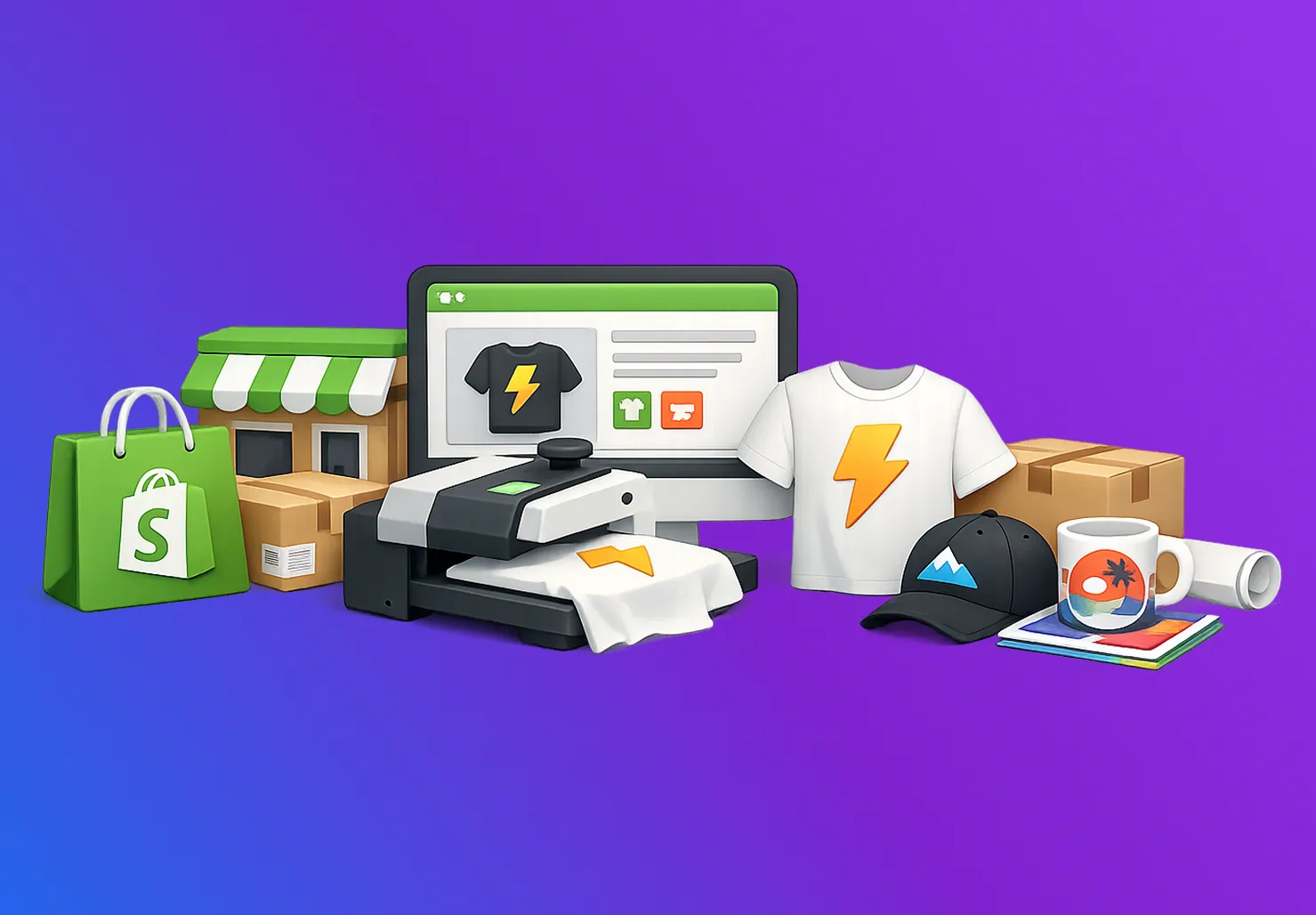
Starting a Shopify print-on-demand business in Dubai or the UAE involves choosing a niche, creating designs, connecting a print-on-demand supplier to your Shopify store, adding products, setting pricing, and building a marketing strategy. With print on demand, products are only produced after a customer places an order, making it a low-risk ecommerce model for entrepreneurs across Dubai, Abu Dhabi, Sharjah, and beyond. What Is Shopify Print on Demand? Shopify print on demand is a business model where products are printed and fulfilled only after a customer places an order through your Shopify store. Instead of purchasing inventory upfront, you connect your store to a print on demand supplier. When an order is received: Common print on demand products include: This makes print on demand one of the most accessible ecommerce business models available today. How Does Shopify Print on Demand Work? Step 1: Choose a Niche The most successful print on demand stores are usually built around a specific audience rather than a broad product catalog. Examples include: A focused niche makes it easier to create products, content, and marketing campaigns that resonate with buyers. Questions to Ask The more specific the niche, the easier it becomes to stand out. Step 2: Validate Demand Before building your store, confirm that people are actively searching for products in your niche. Useful tools include: Look for: Competition is usually a sign that customers already exist. Step 3: Create Your Brand Many print on demand stores fail because they look like collections of random products. Instead, build a recognizable brand. Your brand should include: Strong branding increases trust and improves conversion rates. Step 4: Set Up Your Shopify Store Once your niche and branding are established, create your Shopify store. Basic setup includes: If you’re new to ecommerce, follow a structured Shopify Store Setup Process to ensure your store is configured correctly from day one. Step 5: Connect a Print on Demand Supplier Your supplier handles printing, fulfillment, and shipping. The right supplier depends on: This is one of the most important decisions in your business because fulfillment directly affects customer satisfaction. What Can You Sell with Print on Demand? You can sell a wide range of custom products, including: Is Shopify Print on Demand Profitable? Yes, but profitability depends on product selection, branding, pricing, and marketing.In the UAE market, profitability often improves when stores target specific communities, professions, hobbies, or local interests instead of competing broadly against international marketplaces. The barrier to entry is low, which means competition is high. Stores that simply upload generic designs often struggle to generate consistent sales. Successful Shopify print on demand businesses typically focus on: The advantage is that financial risk remains relatively low because inventory is only produced when an order is placed. Best Shopify Print on Demand Apps Choosing the right POD app is critical because it affects product quality and delivery. Printful Printful is one of the most established print on demand providers for Shopify. Printify Printify connects merchants with multiple printing partners worldwide. Gelato Gelato specializes in localized production through global fulfillment partners. SPOD SPOD focuses on fast production and fulfillment. How to Design Shopify Print on Demand Products That Actually Sell Great designs solve a problem, express an identity, or create an emotional connection. The most successful products usually: Avoid: Originality matters more than complexity. Pricing Your Shopify Print on Demand Products Pricing should account for: For example: Item Cost Product $12 Shipping $5 Total Cost $17 Sale Price $29.99 Gross Margin $12.99 Always calculate profitability before scaling advertising. Setting Up Product Pages for Conversions Product pages play a major role in whether visitors become customers. Each page should include: Clear Product Titles Use descriptive titles that explain the product clearly. High-Quality Mockups Show products from multiple angles and in real-world settings. Detailed Descriptions Explain: Trust Signals Include: These elements help reduce purchase hesitation. Shopify SEO for Print on Demand Stores Many store owners focus only on paid advertising. Long-term growth usually requires organic traffic as well. Shopify SEO helps attract customers actively searching for products. Important areas include: Keyword Research Target keywords with buying intent. Examples: Collection Page SEO Collection pages often rank more easily than individual products. Optimize: Product Page SEO Every product page should have: Content Marketing Publishing helpful content can attract visitors before they are ready to buy. Examples: SEO creates long-term traffic that does not disappear when ad spend stops. How Do You Market Your Shopify Print on Demand Business? Traffic is essential for sales. A balanced marketing strategy may include: Search Engine Optimization Build visibility through organic search. Google Ads Capture high-intent searches. Social Media Marketing Create awareness and engagement. Influencer Partnerships Leverage existing audiences within your niche. Email Marketing Retain customers and encourage repeat purchases. Many successful stores accelerate growth by combining these channels through a broader digital marketing strategy for ecommerce businesses, helping them attract qualified traffic, increase conversions, and build long-term brand visibility. What Are the Most Common Shopify Print on Demand Mistakes? Many new store owners make similar mistakes. Choosing a Broad Niche Generic stores struggle to stand out. Ignoring SEO Organic traffic compounds over time. Using Low-Quality Mockups Presentation directly affects trust. Copying Competitors Unique brands are easier to remember. Poor Pricing Strategy Growth without profit is not sustainable. Avoiding these mistakes improves your chances of building a successful business. How Much Does It Cost to Start a Shopify Print on Demand Business? Typical startup costs include: Expense Estimated Cost Shopify Subscription $29–$79/month Domain Name $10–$20/year POD Apps Free–Paid Plans Design Tools Optional Marketing Budget Variable Many entrepreneurs launch with relatively small budgets and reinvest profits as they grow. Frequently Asked Questions Can you start Shopify print on demand with no money? You can start with minimal upfront investment, but most businesses benefit from some budget for branding, apps, or marketing. Can I sell print on demand products in the UAE? Yes. Entrepreneurs in Dubai and across the UAE can use Shopify with print-on-demand suppliers to sell locally and
E-commerce Trends You Need to Know in 2026
Ecommerce has always been dynamic, but 2026 is shaping up to be a pivotal year. Ecommerce trends 2026 are no longer just about selling online, they’re about creating experiences, building trust, and integrating every part of the digital journey seamlessly. We’ve been watching the industry evolve for years, seeing how businesses adapt from ecommerce trends 2019 to now. Some changes are subtle, like smarter packaging, while others completely redefine how customers engage with brands. We’ve worked with clients across industries, from sustainable fashion brands to health and fitness startups, helping them anticipate what’s coming next. And one thing is clear: the businesses that thrive in 2026 won’t just follow trends, they’ll anticipate them, blend creativity with technology, and make the shopping journey unforgettable. The Evolution of Ecommerce: From 2019 to 2026 Looking back, the journey from ecommerce trends 2019 to today is fascinating. In 2019, ecommerce was largely about convenience and basic digital storefronts. The focus was on functional websites, standard product pages, and simple checkout flows. Fast forward to 2026, and the game has completely changed. Now, every touchpoint matters. Customers expect personalized experiences, intuitive navigation, and immediate gratification. They want brands to understand their needs, provide solutions quickly, and make shopping delightful at every step. We’ve seen this in action with one of our clients in the sustainable fashion sector. Initially, their website followed generic templates, but once we implemented a design that highlighted their brand story, offered seamless product discovery, and integrated shopify marketing strategy tools, their engagement skyrocketed. Another major evolution is in data utilization. Ecommerce businesses today analyze user behavior to predict needs, suggest relevant products, and optimize conversion paths. B2B ecommerce trends 2020 showed the early stages of personalization, but now, predictive AI-driven recommendations are mainstream. We help clients integrate analytics seamlessly so that every click, scroll, and purchase informs the next move. In short, the ecommerce landscape has shifted from transactional to experiential, from reactive to proactive. 2026 is about businesses anticipating what customers want, often before they even realize it themselves. Experience-First Ecommerce Is No Longer Optional If there’s one thing that stands out in ecommerce trends 2026, it’s the emphasis on experience. Customers are no longer satisfied with simple online stores, they demand immersive, intuitive, and engaging shopping experiences. Experience-first ecommerce combines user interface, storytelling, product presentation, and even post-purchase engagement into one seamless journey. One client, a nutrition and diet brand, wanted more than just a functional site, they wanted customers to feel inspired from the moment they landed. By integrating dynamic product displays, interactive quizzes, and personalized recommendations, we not only increased conversions but also built long-term loyalty. Experience-first ecommerce also touches mobile responsiveness, speed, and accessibility. With over 60% of ecommerce purchases now happening on mobile, even a minor lag or confusing navigation can cost sales. Our team ensures every design decision, from checkout flows to pop-ups, is intentional, keeping engagement and conversion at the forefront. Marketing also plays a role in experience. From shopify marketing services to branding marketing shopify, the way a customer interacts with emails, ads, and social content contributes to their overall perception. A seamless, consistent experience across platforms strengthens trust and encourages repeat business. In essence, 2026 isn’t just about products; it’s about crafting moments. Each click, scroll, and interaction is an opportunity to leave a lasting impression. Businesses embracing this trend early will find themselves ahead of the curve. Ecommerce Web Design Trends Shaping Buying Decisions Web design has gone beyond aesthetics, it’s a strategic tool in ecommerce trends 2026. The right design can guide buying decisions, enhance credibility, and create memorable brand experiences. Modern ecommerce websites emphasize minimalism, interactive elements, and personalization. Dark mode, micro-animations, and dynamic product visuals are not just for looks, they engage users and subtly influence their choices. For one of our clients, a Shopify Plus store specializing in sustainable food, implementing shopify plus ecommerce design agency strategies with immersive visuals increased their average session duration by 42%. Personalized design elements, such as recommendations, user-specific promotions, and adaptive layouts, are becoming mainstream. Even something as simple as altering product placement based on previous behavior can have measurable impacts. Bullet points that summarize design trends today include: Our approach blends strategy and creativity. By leveraging shopify ecommerce solutions and expert UX/UI practices, we ensure websites are not only visually appealing but also conversion-focused. For ecommerce businesses in 2026, design isn’t optional, it’s a key driver of growth. Smarter Ecommerce Packaging Trends That Build Brand Loyalty Packaging has evolved from simple protection to a powerful marketing tool. Ecommerce packaging trends in 2026 focus on sustainability, personalization, and creating “unboxing experiences” that delight customers. Brands are moving towards eco-friendly materials, custom inserts, and aesthetically pleasing designs that customers want to share on social media. For instance, a client in sustainable fashion saw a 27% increase in social shares after we implemented signature packaging with reusable materials and personalized messages. Packaging now also reinforces brand identity. Colors, textures, and design elements all communicate the brand story. Combined with subscription-based services or promotional inserts, packaging becomes a touchpoint for engagement, encouraging repeat purchases. Incorporating shopify marketing partners into packaging campaigns, like QR codes linking to curated content or loyalty programs, can also elevate customer interaction. Packaging is no longer just functional; it’s a silent salesperson that works 24/7 to build trust, delight, and brand loyalty. Smarter packaging, paired with a seamless online experience, ensures that the entire journey from click to delivery strengthens customer relationships and turns buyers into advocates. Ecommerce Fraud Trends and the Rising Importance of Trust Ecommerce fraud trends continue to evolve, making trust a non-negotiable component of online business. In 2026, customers are acutely aware of cybersecurity, privacy, and authenticity. Fraud prevention is not just a back-end concern, it’s part of the user experience. Payment security, two-factor authentication, and transparent policies are essential. Customers abandon carts instantly if something feels suspicious. One health and nutrition client had recurring abandoned carts until we integrated advanced fraud detection tools