

Shopify makes it easy to launch a store, but it doesn’t make it easy to get found. That’s usually the moment when store owners start searching for answers like
what is the best SEO app for Shopify, is there a free SEO app for Shopify, or why isn’t my product ranking even though it’s clearly better than competitors?
Here’s the uncomfortable truth we’ve seen again and again while working on real Shopify stores:
SEO on Shopify breaks down when the structure, content, and Shopify inventory management don’t communicate effectively with each other.
Search engines don’t just rank pretty product pages. They rank clarity, consistency, crawlability, and user behavior. That’s where a solid SEO app for Shopify becomes less of a “nice-to-have” and more of a survival tool.
We’ve worked with Shopify brands across ecommerce, sustainable fashion, nutrition, and education-based products. Some were doing everything “right” but still bleeding traffic. Others were scaling fast but silently damaging their SEO with duplicate URLs, broken collections, and messy inventory syncing.
This is why the conversation around the best Shopify app for SEO needs to change. It’s not about chasing tools. It’s about choosing the right ones that support growth without creating long-term technical debt.
And yes, we’re opinionated about this, because we’ve seen what actually works.
What Is the Best SEO App for Shopify?
The short answer? The best SEO app for Shopify is the one that understands how Shopify actually works, especially how Shopify inventory management, collections, URLs, and content are interconnected.
Many apps promise rankings. Few understand Shopify’s backend logic.
From experience, the best-performing SEO setups always have three things in common:
- Clean technical foundations
- Content that matches search intent
- Inventory and product structures that don’t confuse search engines
A good Shopify app for SEO doesn’t just optimize meta titles and descriptions. It helps search engines understand:
- Which product matters most
- Which collection is canonical
- Which URLs should be indexed
- Which out-of-stock products should still rank
We once worked with a nutrition brand selling digital meal plans through Shopify. Traffic was steady, but conversions were dropping. The issue wasn’t pricing or design, it was inventory logic. Products were constantly marked unavailable, URLs changed, and Google slowly lost trust.

After restructuring inventory handling and pairing it with the right SEO app for Shopify, organic traffic stabilized, product pages regained rankings, and bounce rates dropped.
That’s when it clicks: SEO doesn’t work in isolation. It works with inventory, UX, and content.
So when people ask what is the best SEO app for Shopify, our honest answer is:
The one that supports scalability without sacrificing structure. Not flashy dashboards. Not keyword stuffing. Real control.
Top Features of Shopify SEO Apps
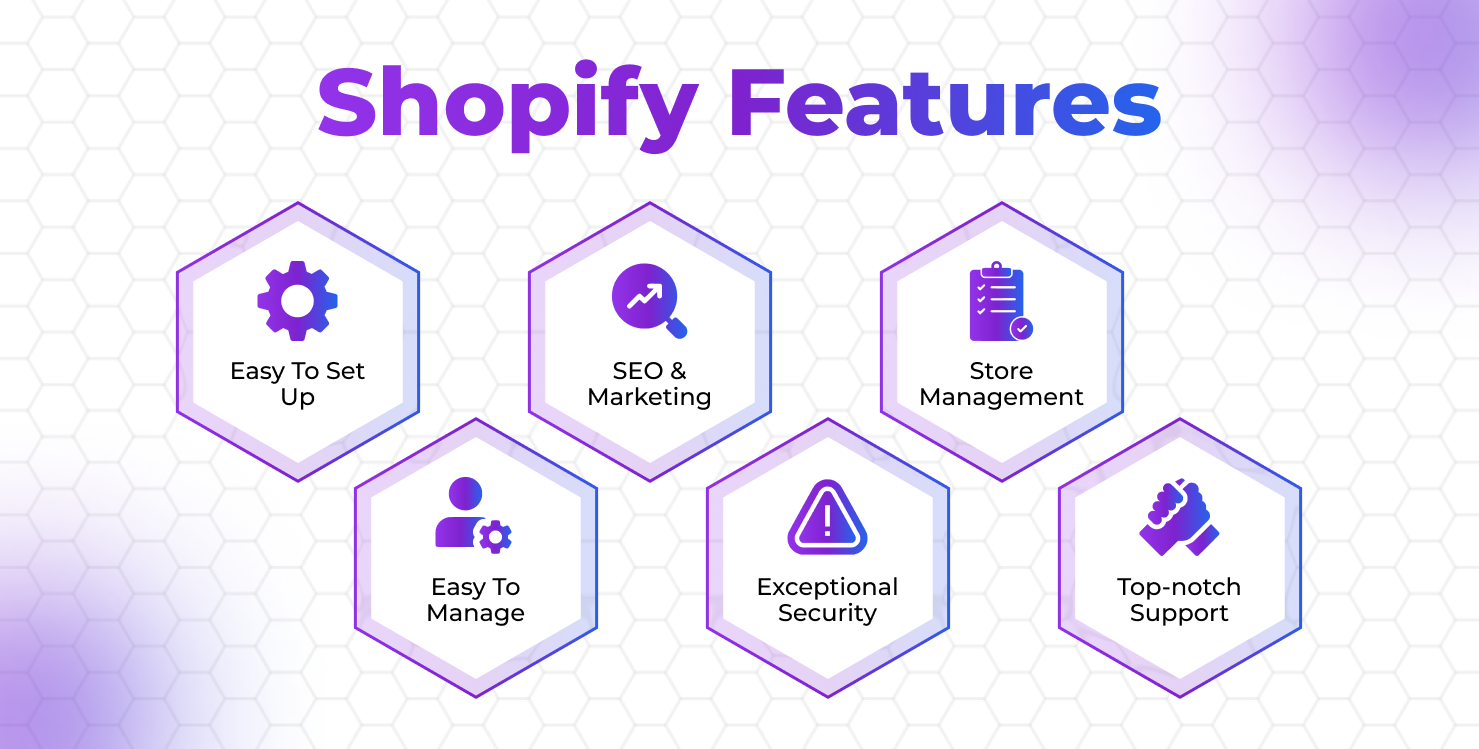
Not all SEO apps are built equal. Some are glorified checklists. Others quietly power high-performing stores without much noise.
Based on hands-on work with multiple Shopify brands, these are the features that actually move the needle.
1. Smart Metadata Automation (Without Killing Customization)
Metadata matters, but automation can be dangerous when it’s lazy.
The best Shopify app for SEO allows automation while still respecting:
- Product-level customization
- Collection hierarchy
- Brand tone
We’ve seen stores auto-generate thousands of identical meta descriptions. Rankings tanked. Click-through rates dropped. Fixing that took months.
A strong SEO app for Shopify should:
- Auto-fill intelligently
- Allow overrides for key products
- Maintain consistency across categories
SEO apps that ignore nuance end up creating more cleanup work later.
2. Inventory-Aware SEO Optimization
(Subtle Focus on Shopify inventory management)
This is where most tools fail.
Search engines hate dead ends. If your Shopify inventory management constantly marks products out of stock without proper SEO handling, rankings suffer.
The right app should help:
- Preserve SEO value of out-of-stock pages
- Redirect discontinued products properly
- Maintain internal linking even when inventory shifts
One ecommerce brand we worked with in sustainable fashion lost traffic every season. Not because of trends, but because products rotated without SEO logic.
Once inventory behavior aligned with SEO rules, rankings stopped resetting every quarter.
3. Image SEO That Actually Improves Performance
Shopify stores are image-heavy. Most apps slap alt text and call it a day.
The best SEO app for Shopify treats image SEO as:
- File size optimization
- Lazy loading support
- Contextual alt text
Better image SEO doesn’t just help rankings, it improves site speed, which directly affects conversions.
We’ve seen pages move up rankings simply by fixing bloated image handling.
4. Structured Data & Schema Without Breaking Themes
Schema isn’t optional anymore.
A quality Shopify app for SEO adds:
- Product schema
- Review markup
- Breadcrumbs
- FAQ schema (when relevant)
Bad schema implementation can crash themes or cause validation errors. Good apps integrate cleanly, even with custom designs.
We’ve learned this the hard way fixing broken stores after rushed installs.
5. SEO Insights You Can Actually Act On
SEO tools love data. Store owners need clarity.
The best apps don’t just show errors, they explain:
- Why something matters
- What impact it has
- What to fix first
This is especially important for growing brands that don’t have in-house SEO teams.
5 Best Free SEO Apps for Shopify
TinyIMG
TinyIMG often comes up when people ask what is the best SEO app for Shopify free, and honestly, the popularity makes sense. It’s one of those tools that doesn’t try to do everything, it focuses on doing a few things really well. As a SEO app for Shopify, TinyIMG shines most in image optimization, which is a bigger deal than many store owners realize.
Shopify stores are image-heavy by nature. Large images slow down pages, hurt user experience, and quietly damage rankings. TinyIMG tackles this by compressing images without visible quality loss and automatically adding alt text, making it a practical Shopify app for SEO for beginners. We’ve seen stores improve load times within days just by activating it.
Where TinyIMG works best is for smaller catalogs or early-stage brands looking for a free SEO app for Shopify that doesn’t overwhelm them with dashboards and jargon. The interface is clean, and the automation feels safe rather than aggressive, which matters when you don’t want your metadata rewritten blindly.
That said, TinyIMG isn’t trying to be the best Shopify app for SEO in terms of deep technical optimization. It doesn’t handle advanced schema, content strategy, or complex site structures. But for brands starting out, it’s often the first SEO win that builds momentum.
If someone asks us about the best SEO app for Shopify free for image optimization and speed improvements, TinyIMG usually makes the shortlist, especially when paired with a clear content and inventory structure.
Avada SEO & Image Optimizer
Avada SEO & Image Optimizer positions itself as an all-in-one solution, and among free tools, it comes pretty close. As a free SEO app for Shopify, it covers a wide range of essentials without forcing users into paid plans too early, which is refreshing.
What makes Avada stand out as a SEO app for Shopify is its balance. It handles image optimization, meta title and description editing, broken link detection, and basic SEO audits in one place. For store owners who want visibility into what’s wrong, without hiring an SEO specialist, this is helpful.
We’ve seen Avada work well for ecommerce brands that already have content but lack structure. Its on-page SEO checks highlight missing tags, duplicate metadata, and basic technical gaps. That’s often the starting point before scaling into more advanced tools.
As a Shopify app for SEO, Avada is also relatively safe. Its automation doesn’t feel reckless, which matters when SEO decisions impact hundreds of product pages. The image compression and lazy loading features help performance without breaking layouts.
Is it the best SEO app for Shopify overall? Not quite, especially for complex stores with thousands of SKUs or layered collections. But as a best free SEO app for Shopify, Avada does a solid job of educating store owners while improving fundamentals.
If you’re exploring what is the best SEO app for Shopify to get started without technical stress, Avada is usually one of the first tools worth testing.
StoreSEO
StoreSEO feels like it was built for people who want structure, not just quick fixes. As a SEO app for Shopify, it leans heavily into consistency, something Shopify stores often struggle with as they grow.
One thing we appreciate about StoreSEO is how it handles metadata across products, collections, and pages. It encourages patterns instead of chaos. For brands scaling their catalogs, that matters more than flashy features. A consistent structure helps search engines understand your store, and helps teams avoid SEO debt later.
As a Shopify app for SEO, StoreSEO also provides SEO scoring and guided fixes, which makes it easier for non-technical teams to take action. We’ve seen content teams use it as a checklist while publishing new products or collections, reducing errors before they go live.
The free version is generous enough to qualify as a best SEO app for Shopify free for small-to-medium stores. It covers essentials like meta optimization, sitemap submission, and basic on-page improvements. For many brands, that’s enough to see early ranking movement.
StoreSEO may not replace advanced enterprise SEO tools, but it does something important, it teaches good habits. And in our experience, good habits beat fancy tools every time.
If someone wants a free SEO app for Shopify that encourages long-term thinking rather than quick wins, StoreSEO usually fits the bill.
SEOAnt
SEOAnt is interesting because it sits between beginner and advanced tools. As a SEO app for Shopify, it brings data and diagnostics into the conversation, something free tools often avoid.
SEOAnt offers on-page SEO analysis, speed insights, broken link detection, and keyword optimization suggestions. For store owners who like seeing numbers and scores, this Shopify app for SEO feels more “serious” than simpler tools.
We’ve worked with e-commerce brands that used SEOAnt during growth phases, when traffic was coming in, but rankings were inconsistent. The app helped identify technical issues like duplicate content and slow-loading pages that weren’t obvious at first glance.
As a best free SEO app for Shopify, SEOAnt is generous but not unlimited. The free tier works well for testing and learning, while paid features unlock deeper insights. That makes it a good stepping stone rather than a final destination.
SEOAnt works best when paired with a clear content strategy. The data is useful, but only if someone knows how to act on it. That’s where many stores struggle, tools show problems, but strategy solves them.
If you’re asking what is the best SEO app for Shopify for data visibility without immediate commitment, SEOAnt is worth exploring.
GoSEO
GoSEO doesn’t try to impress with complexity, and that’s exactly why some brands love it. As a SEO app for Shopify, it focuses on clarity, simplicity, and manual control.
GoSEO allows store owners to edit meta titles, descriptions, and image alt text easily, without overwhelming automation. For brands that prefer hands-on SEO, this Shopify app for SEO feels predictable and safe.
We’ve seen GoSEO work particularly well for niche stores with curated product lines. When catalogs are small and storytelling matters, manual optimization beats bulk automation. GoSEO supports that approach nicely.
As a free SEO app for Shopify, GoSEO covers essentials without pushing aggressive upsells. It’s not trying to be the best Shopify app for SEO in terms of features, it’s trying to be reliable.
That reliability matters when SEO is part of a broader growth strategy rather than a quick experiment. GoSEO won’t fix deep technical issues, but it won’t create new ones either, which is more important than it sounds.
For store owners asking about the best free SEO app for Shopify that keeps SEO clean and controlled, GoSEO often earns a quiet yes.
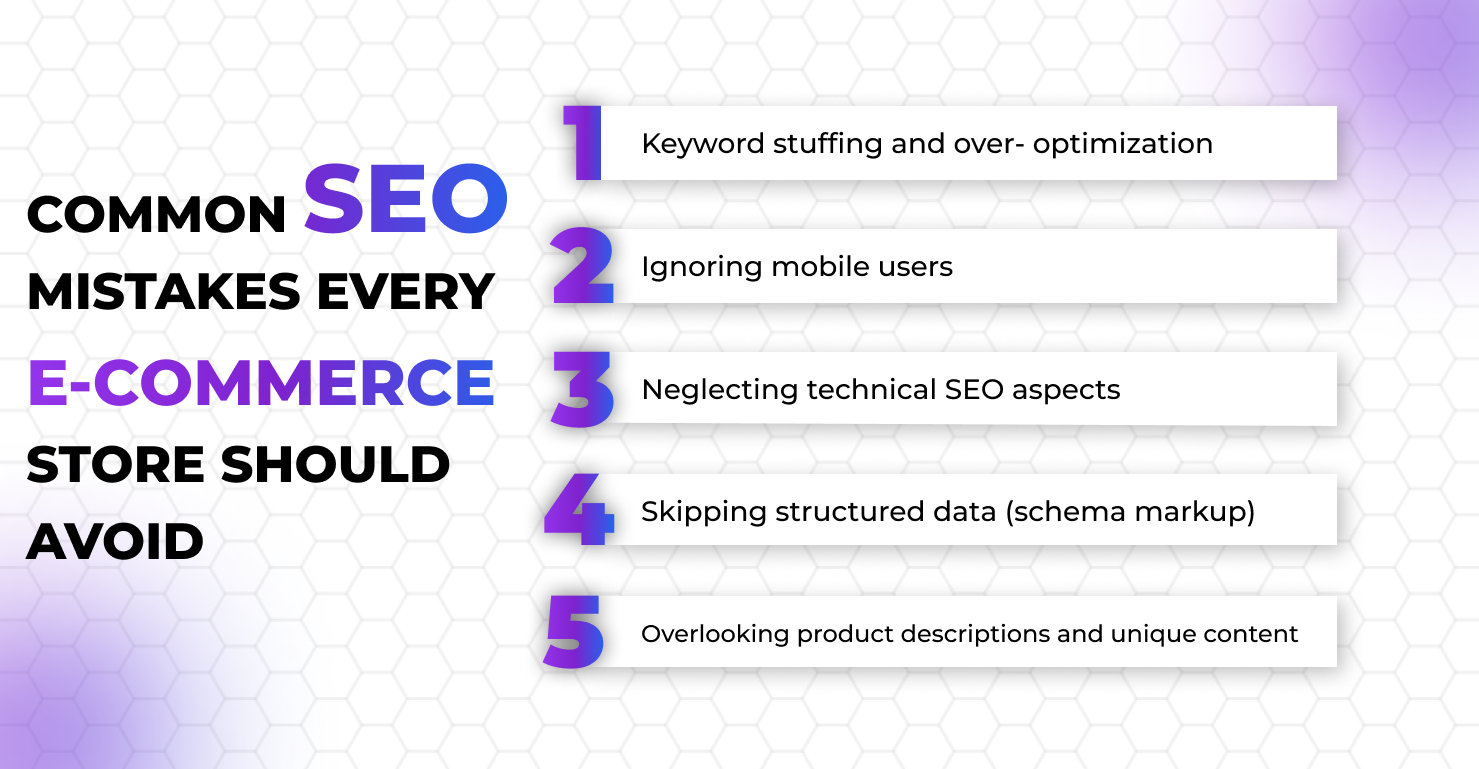
Common Mistakes When Choosing Shopify SEO Apps
We’ve seen these patterns repeat across dozens of stores, and they’re worth calling out explicitly because they waste time and money while delaying real SEO progress.
Mistake #1
Installing multiple overlapping apps that all claim to do SEO but create conflicts, duplicate efforts, or confuse search engines with contradictory signals. Pick one comprehensive app rather than a fragmented stack.
Mistake #2
Expecting instant results from app installation. SEO works on weeks-to-months timescales, not days. Apps help you implement strategies correctly, but they don’t make rankings appear overnight.
Mistake #3
Ignoring inventory management as an SEO factor. How your products appear, disappear, and change availability directly impacts search visibility. Your SEO app should integrate with this reality.
Mistake #4
Over-automating everything and losing the human touch that makes product descriptions compelling and differentiated. Automation should enhance efficiency, not replace strategic thinking.
Mistake #5
Choosing based on reviews alone without understanding whether reviewers had similar store sizes, inventory complexity, and SEO needs to yours. What works for a five-product store doesn’t scale to five hundred products.
Why Strategy Matters More Than Tools
Here’s our honest opinion, developed through years of implementing SEO for Shopify stores across multiple industries and growth stages: Most Shopify stores don’t fail at SEO because they picked the wrong app.
They fail because SEO was treated like a checkbox item on a launch list instead of an integrated growth system that touches inventory management, content strategy, site architecture, and user experience.
We’ve worked with brands that had every “top-rated” tool installed and still struggled to generate meaningful organic traffic.
Once their SEO approach, Shopify inventory management, content quality, and user experience were properly aligned with clear strategy, rankings followed naturally without needing additional tools.
That’s fundamentally how we approach Shopify SEO. Not with one-size-fits-all tool recommendations. Not with promises of overnight rankings that aren’t realistic.
If your store is growing, evolving, or feeling stuck between traffic and conversions, that’s usually the sign that SEO needs more than another app install.
And when brands reach that point, they usually know where to find us.