
Shopify Inventory Management: Step-by-Step Guide

Shopify inventory management is often the unsung hero of successful ecommerce operations. Many store owners get caught up in design, marketing, or product listings, forgetting that managing stock efficiently is the backbone of revenue growth. Over the years, we’ve seen clients struggle with overselling, mismanaged SKUs, and lost revenue simply because their Shopify store inventory management wasn’t set up strategically. Inventory management in Shopify isn’t just ticking boxes, it’s a system that ensures the right products are in the right place at the right time. From syncing with your suppliers to understanding real-time sales trends, a robust Shopify inventory management system becomes a powerful tool for scaling your store. We’ve worked with multiple brands where streamlining inventory wasn’t a luxury but a necessity. For instance, one of our clients, a sustainable fashion brand, was constantly running out of their top-selling items. Implementing inventory management software for Shopify helped them forecast demand better, reduce stockouts by 40%, and even optimize warehouse storage. In this guide, we’ll break down Shopify inventory management features, highlight the best apps, walk through a step-by-step setup, and share advanced tips to level up your ecommerce game. By the end, you’ll have a clear roadmap to mastering inventory without the stress. What Is Shopify Inventory Management? Shopify inventory management is the process of tracking, controlling, and optimizing stock across your online store and sales channels. It’s about knowing what’s in your warehouse, what’s on its way, and what’s selling fastest. Done right, it allows businesses to avoid overstocking, understocking, and all the headaches in between. Inventory management in Shopify integrates your store with tools and apps that automate much of the process. For example, tracking stock levels, receiving automatic low-stock alerts, and generating reports that highlight sales trends become effortless. We’ve found that stores using a structured Shopify inventory management system gain not just operational efficiency but also insights that inform marketing campaigns and product launches. One client, an online nutrition store, was struggling to keep track of multiple product variants across different fulfillment centers. Their Shopify plus inventory management setup helped consolidate all inventory in one system, automatically syncing stock levels and allowing the team to focus on growth strategies rather than firefighting stock discrepancies. Inventory management software for Shopify often includes: By treating inventory as a live asset instead of a static number in your backend, Shopify inventory management transforms your store into a proactive, data-driven operation. We’ve noticed that clients who embrace these practices not only increase efficiency but also enhance customer trust, as products are rarely “out of stock” unexpectedly. Shopify Inventory Management Features Explained Understanding Shopify inventory management features is crucial because it’s the difference between guessing your stock and knowing it inside out. Shopify offers built-in tools, and additional apps expand capabilities, allowing businesses to customize solutions based on their needs. Clients with multiple product lines often underestimate the complexity of stock management until they see overselling or misplaced items affecting revenue. With stocky inventory management, Shopify tools, we can set reorder points and automated restocking to prevent disruptions. We’ve helped brands reduce inventory discrepancies by integrating all their channels into one view, which saved them countless hours of manual reconciliation. Using Shopify API inventory management features, automation can also trigger alerts for low stock, overstock, or supplier delays. With proper setup, we’ve enabled clients to forecast needs, reduce holding costs, and optimize warehouse layouts for maximum efficiency. The combination of these features creates a powerful ecosystem where inventory is no longer a headache but a driver of strategy. Using Shopify inventory management features effectively can make the difference between reactive ecommerce operations and proactive, scalable business management. Best Inventory Management Apps for Shopify While Shopify has robust built-in tools, integrating the right Shopify inventory management app can elevate operations significantly. Selecting the best inventory management Shopify app is about understanding business needs and scalability. Stocky by Shopify Stocky is ideal for physical product retailers. It automates purchase orders, tracks supplier performance, and predicts inventory requirements based on historical data. A sustainable food brand we worked with used Stocky to forecast seasonal demand accurately, cutting excess stock by 30%. TradeGecko (Now QuickBooks Commerce) This app allows advanced inventory tracking, multi-channel sales syncing, and analytics. For a client in the fashion industry, TradeGecko’s Shopify app inventory management features helped integrate their brick-and-mortar store with online sales seamlessly. SkuVault SkuVault excels at warehouse management and batch tracking. It ensures accurate stock counts, reduces mispicks, and integrates easily with Shopify stores. A coaching supplies client reduced shipment errors by 50% after integrating SkuVault. Zoho Inventory Zoho Inventory integrates well with Shopify, offering order management, multi-channel stock syncing, and analytics. One of our online education clients benefited from Zoho’s reporting features to plan content launches with better inventory preparedness for associated merch. Cin7 Cin7 combines POS, inventory, and warehouse management. It’s particularly useful for clients managing multiple sales channels. We helped a nutrition supplement client automate their distribution, resulting in faster shipping and more accurate stock counts. When choosing the best Shopify inventory management app, consider: The right app acts as a partner in growth. We often tell clients that investing in the best inventory management Shopify app is not about saving money but unlocking efficiency and scalability that pays for itself in operational gains and reduced stock errors. Step-by-Step Setup for Shopify Inventory Management Setting up Shopify inventory management is a process, but it doesn’t have to be overwhelming. Following a structured approach ensures you leverage every feature effectively. Step 1: Organize Your Products Begin by cataloging all your SKUs. Each product should have clear identifiers: SKU, variant, category, and supplier info. We assisted an e-commerce client in cleaning up their product database, which reduced errors during sync and made forecasting more accurate. Step 2: Configure Stock Tracking Enable Shopify store management software features to track stock levels. Decide which products require automatic restocking alerts. For a fitness nutrition client, setting low-stock alerts prevented overselling during peak seasons. Step 3: Integrate Your Suppliers
Shopify VS WordPress: Complete Guide Small Business Owners

If you are a business owner who is going to launch the first online store, on a marketer scaling content strategy, or if he/she is a startup founder who wants to have digital growth then choosing the right platform is a big decision. Shopify and WordPress are two of the most popular website builders in today’s peaking digital market, both of them have their own distinct SEO features. But in 2025, with AI-enhanced search engines and increasing competition, your platform choice can directly impact your visibility, traffic, and growth. Challenges Faced By Small Business Owners Solutions The Role of SEO Optimization Check these out: By 2025, with an increase in competition and an increase in AI-enhanced search (eg, Google SGE), your SEO can destroy or hinder your growth. Whether you own a physical store or run an e-commerce brand, strong SEO means more traffic, more confidence, and more sales. For small businesses and startups, ranking on search engines can be the difference between steady growth and inactiveness. Choosing a platform with strong SEO support is not optional, it’s important Quick Overview: Shopify vs WordPress This comparison is specially designed to help the founders, marketers, and small business owners to understand the core SEO differences before committing to one platform. Here’s a quick side-by-side comparison: Feature Shopify WordPress (with WooCommerce) SEO Readiness Built-in but limited Highly customizable Ease of Use Beginner-friendly Requires some technical skill Hosting Hosted solution (fast) Self-hosted (depends on provider) Plugin Support Limited app store Extensive plugin ecosystem Blog Capabilities Basic blogging Excellent for blogging & content SEO Technical SEO Control Limited Full access to core files & configs Key SEO Features Compared Shopify Pros Shopify Cons WordPress Pros WordPress Cons Performance Comparison Across Platforms If you are a local business owner from salons and restaurants to law firms or fitness coaches, the local SEO determines how easily the customers find you on Google Maps or “near me” searches. Both Shopify and WordPress support local SEO. Local SEO is important for service providers, restaurants, or any brick-and-mortar business. Shopify for Local SEO WordPress for Local SEO Complete adaptation of: Best SEO Tools You Can Use These tools are essential regardless of platform: Fun Fact: Companies with customized Google Business Profiles get 7x more clicks (Google Internal Data). Actual Data and Performance Insights Here is a simple visual showing the SEO capabilities of Shopify vs. WordPress: Key Takeaways: Choosing the Right Option for Your Business Type Here is how to decide based on the kind of business you are running: Shopify is ideal for: WordPress is ideal for: Common SEO Issues Across Both Platforms Shopify Users Often: WordPress Users Often: Just for your information, here are 8 more common seo mistakes are highlights which you must avoid: How The Future of Meta Empowers Your SEO Success At The Meta Future, we specialise in helping startups, small businesses, and ambitious brands to boost their SEO on both WordPress and Shopify. If you are a local service provider or an e-commerce entrepreneur, then our custom approach delivers you the best positive and success oriented results. Our offer: The speed of the website, mobile responsiveness, and the technical SEO for the crew, regardless of whether you use Shopify or WordPress, make a difference between good devices and real results. Final Thoughts So, if you are a small business owner, marketer, or the startup leader who is still wondering which platform gives you the SEO edge, then here is the bottom line: And if you are serious about making SEO work, regardless of the platform, then The Meta Future is here to support you with the expert tools, strategy, and strategic implementation. Remember that SEO is not about the device, it is about strategy, so choose a platform that converts traffic to trust and income.
What is Software Development? Types, Process, Features (2024)

Software development has emerged as virtual technology, the primary driving force behind technical growth. Software development has become established in nearly all areas of modern-day existence, from developing complex enterprise systems to growing smartphone applications. This article will examine the importance, vital components, strategies, and software program development techniques as we dig into its complexities. What is software development and why is it important? Software development is developing software programs via coding, checking out, and preservation. It includes various obligations, from making plans to implementation. Software development aims to create dependable, beneficial, and top-notch software programs to satisfy needs. Why Software Development is Important? Software development is key to promoting creativity and performance in various companies. Here are numerous explanations for its importance: Activate Automation Software development improves productivity and decreases errors while streamlining methods by automating repetitive work. It frees up human resources for large-scale initiatives. Improve Communication Software development produces applications and structures that enable smooth communication among individuals and international businesses. These assets aid in useful resources for cooperation, information exchange, and relationship development. Enhance Decision Making Through facts analysis, analytical software developed from software development techniques offers insightful data. It allows corporations to make properly informed selections based on precise and well-timed records. Encourage Innovation Software development encourages innovation by making it viable to create new goods and offerings, boosting market share, and pushing the frontiers of generation and company approaches. It is a driving force behind development and trade across diverse industries. Types of Software Applications Software can be divided into groups to keep with its intended use and competencies. Typical sorts include a number of the following: System Software It includes desktop operating systems like Windows, macOS, and Linux and drivers for gadgets. It enables conversation between the hardware elements and the running gadget. Crucial for controlling laptop hardware and serving as a platform for running software. Application Software Applications like word software (like Microsoft Word), net browsers (like Google Chrome), and multimedia players (like VLC Media Player) are examples of application programs. These applications are specifically designed to fulfill the needs of customers. Application developers are responsible for planning, building, checking out, and keeping person-friendly software programs. They should be ready to troubleshoot issues for improvement at some stage. They work with numerous programming dialects and technologies. Being an application software developer is a first-rate expert choice for individuals with the essential expertise and skills. It has a demand for capable candidates that will likely expand in the upcoming years. Enterprise Software Designed with large-scale enterprises in thoughts, the business enterprise software program helps the effective management of intricate techniques. Examples include ERP (Enterprise Resource Planning) programs like SAP and CRM (Customer Relationship Management) platforms like Salesforce. These examples include automated responsibilities like human resources administration, accounting, and sales. Embedded Software Embedded software manages specialized hardware components’ functionality by operating inside them. It is widely used in many industries, including commercial equipment (such as manufacturing robots), car generation (together with engine manipulating devices), and digital goods (which include clever TVs). Enhanced capability and ideal functioning are assured by the software program contained in those electronic gadgets. Steps of the Software Development Process The Software Development Life Cycle (SDLC) is a set of methods the software program development method generally adheres to. These actions consist of: Analysis of Requirements The first step is obtaining necessities from stakeholders and carefully examining them to comprehend consumer demands fully. This segment establishes the framework for the whole development system. It ensures that the completed result meets the desires and expectations of stakeholders and end customers. Software Design During this crucial phase, programmers draft a comprehensive plan describing the product’s structure, consumer experience, and performance. It entails converting acquired necessities into an organized layout that acts as the design group’s road map. Implementation After obtaining the layout specifications, programmers use languages like Java, Python, or C++ to write code. Using fine practices and behavior codes, the design becomes viable code at this step. Software Testing Once applied, the software is well-tested to locate and fix bugs or problems. Testing guarantees this system works deliberately, satisfies the standards, and provides a flawless user experience. Software Deployment The software is prepared for end clients to utilize once it has passed testing. This technique includes the program’s launch, installation, setup, and integration with modern environments or structures. Software Maintenance Maintaining the software program’s efficacy and safety after deployment requires consistent support, enhancements, and upgrades. In maintenance, problems identified by users are addressed, bugs are constant, and patches are applied. Also vital new functions or upgrades are added. It seeks to preserve the lifespan and performance of the software at some stage in its entire lifecycle. Key Features of Successful Software Development Successful software development largely relies upon numerous key elements, e.g. High-Quality Products Effective software development guarantees reliability, scalability, and maintainability, which places quality first. Ultimately, it contributes to the service or product’s fulfillment by increasing customer satisfaction. Which constructs trust via meeting or exceeding user expectations. Collaboration Mobility among testers, developers, and stakeholders encourages verbal exchange and know-how. It facilitates sharing ideas, opinions, and insights throughout the development method. It leads to better outcomes and extra knowledgeable alternatives. Iterative Development This method allows for non-stop development and adaptation to changing necessities. The development process may be broken down into smaller cycles or modifications. Which then facilitates feedback-pushed modifications and changes and leads to incremental upgrades. Consideration of the User Software availability, ease of use, and satisfaction are guaranteed when designed with the end customer in mind. Developers can create brilliant and compelling user experiences. It encourages acceptance and engagement through growing empathy and know-how regarding client choices and desires. Agile Development Methodology Through iterative development cycles, agile methodologies and Scrum encourage flexibility, deployment, and delivery of purposeful software programs. Agile teams can react to the needs of changing values. It delivers value to stakeholders quickly through flexibility, teamwork, and the adoption of client comments. Every approach has benefits and
Transform Your Shopify Success with Meta Future in UAE

Meta Future is the Emerging e-commerce agency in Dubai that is revolutionizing the Shopify store and transforming slow businesses into revenue-generating companies. Our Shopify marketing agency ensures to stand you in the line of the biggest tycoons through custom strategy development and guaranteed tactics. Rise of Shopify Solutions Post-Pandemic Shopify solutions have become indispensable for online shopping stores, especially post-pandemic when customers turned to online platforms to fulfill their needs. Our Shopify services ensure the profitable scaling of e-commerce brands, helping you stay ahead of the competition for consistent growth. Comprehensive Shopify Marketing Services “Meta Future Provides A Diverse Range Of Services Tailored To The Needs Of Online Retailers.” Our suite of services includes: These packages are designed to meet the specific requirements of online retailers, aiming to achieve explosive sales targets and convert slow businesses into fast-growing revenue streams. Expertise in Shopify Platform Our experts possess deep knowledge of the Shopify platform, enhancing online shopping experiences through meticulous craftsmanship and integration of third-party apps. This approach ensures that our services are not only effective but also seamlessly managed within the Shopify ecosystem. Why Choose Meta Future as Your Shopify Marketing Agency? Choosing the right Shopify marketing agency can dramatically enhance your online presence and profitability. Here’s why Meta Future stands out: Services Offered By Meta Future Our services are customer-focused, ensuring that all solutions align with client needs and set industry benchmarks: Enhancing Customer Engagement and Retention Customer Retention through SMS & Email Marketing: We utilize personalized communication strategies to keep your brand top-of-mind for customers. Creative Ad Campaigns: Tailored advertising on platforms like Facebook, Instagram, TikTok, and Snapchat maximizes brand exposure and customer engagement. Understanding Shopify SEO for the Dubai Market Effective SEO strategies are crucial for standing out in the Dubai market. Our local SEO services optimize your online visibility and attract more traffic by: Leveraging Local Social Media Trends We tailor social media strategies to resonate with local preferences, maximizing the impact of your content across various platforms. Collaborations with influencers and engaging content creation are key components of our strategy to boost your online presence. The Role of Content Marketing in Shopify’s Success Content is a powerful tool for driving engagement and sales. Our strategies include: Conclusion With Meta Future, leverage cutting-edge Shopify marketing strategies to enhance your brand’s visibility, engagement, and sales. Our approach not only increases immediate sales but also sustains long-term growth and customer retention. Consult with Meta Future today, where your e-commerce dreams transform into reality. Visit us for guidance and experience our round-the-clock customer service dedicated to prioritizing your success. Frequently Asked Questions (FAQ’s)
E-Commerce Store Development for Business Success (2024)

1E-commerce has changed how businesses operate in the digital age. Statista believes online income will attain $6.5 trillion by the previous year. E-commerce businesses are growing because they provide purchasers all around the world with accessibility and ease. The marketers are hoping to capitalize on this profitable area. Expertise in the art of e-commerce store development is vital as the demand for online buying keeps rising. Key Takeaways Knowing the Development of E-Commerce Stores Developing an online platform to sell goods or services is called e-commerce store development. It covers many factors, including user experience optimization, price processing, product catalog creation, and website design. An e-commerce website can also enhance a business’s earnings while giving customers a faultless online shopping experience. Website Design and Development This procedure includes arising with the e-commerce stores’ visual fashion, organizational framework, and functionalities. It includes creating the user interface (UI), creating the product catalog, and ensuring the aesthetics attract the audience’s tastes. To construct the website using HTML, CSS, JavaScript, and other internet-based technology, improvement calls for programming and coding. Product Catalog Setup To make it easier for clients to navigate, items should be logically organized and classified. Developing product pages with thorough descriptions, specifications, prices, and pictures is a part of this. Additionally, customers may find certain goods quickly and correctly by using the search tool, sorting options, and filter settings. User Experience Optimization User optimization aims to make the e-commerce website more user-friendly, wonderful, and intuitive for visitors. It includes reducing distractions, streamlining navigation, and presenting obvious (CTAs) to help clients through the purchasing system. Ongoing user experience in refinement and development is facilitated by usability testing and iteration based on findings. Mobile Responsiveness It is critical to ensure the e-commerce store is optimized for mobile responsiveness. It gives the growing use of mobile gadgets for online buying. This involves developing a website that is both consumer-friendly and consistently responsive throughout smartphones. Using responsive layout techniques ensures that information is proven well and that capability is available on all devices. Organizing Your Online Store Careful guidance is essential before beginning the building of an e-commerce store. Finding customer options and market trends is easier by carrying out the marketplace and inspecting the target audience. The cornerstone of a business is selecting the right e-commerce platform. Important elements encompass growing a detailed advertising and marketing plan, pricing strategies, and product category definitions. Steps to Develop an E-commerce Store 1. Domain Registration and Hosting Setup Getting a site gives your online keep an awesome deal, which is like claiming your digital real property. Selecting a trustworthy online employer ensures that users get the right of entry to your website 24/7. This essential level creates your net presence and presents the framework for future growth and development. 2. Selecting and Personalizing a Template or Theme Your online store’s visible fashion is decided by using the subject matter or template you have chosen. It reflects your brand identity and center values. Choosing a layout that is aesthetically desirable and smooth to use is important. The layout is essential for drawing in and preserving clients. Customization permits you to match the subject to the exclusive style of your enterprise. You can ensure consistency and stand out inside the crowded e-commerce marketplace. 3. Creating Product Pages and Categories Customers will find it easier to locate what they are searching for if your items are organized into classes. Thorough product descriptions give customers crucial information to judge what to buy. SEO techniques, product pages, and categories that can be nicely organized while buying also boost search engine publicity. 4. Including Payment Gateways and Security Measures Converting website visitors into paying customers calls for seamless price processing. Integrating SSL certificates and steady price methods protects sensitive customer information, fostering confidence. Ensure your organization has robust security measures in the area to guard against any cyber risks for you and purchasers. It is essential for growing a safe online shopping environment. 5. Search engine optimization (SEO) To grow the exposure of your website and generate organic visitors, you need to place search engine marketing into operation. Your store’s function in search engine results pages is advanced by optimizing product pages. It ultimately will increase income and conversions. Your online store could be placed for long-term fulfillment in the aggressive online industry with a well-thought-out SEO plan. 6. Testing and Quality Assurance An intensive testing of all website capabilities is critical for user experience throughout various gadgets and browsers. In the assurance procedure, usability testing, compatibility analysis, and technical problem troubleshooting are critical. You can ensure your online enterprise by seeing and solving feasible problems before they arise. 7. Opening the Enterprise Now that everything is set up, it’s time to open your online commercial enterprise and let the world understand it. Social media, electronic mail advertising and marketing, and different promotional techniques to announce the launch create a hobby. It will increase internet site traffic. Tracking facts and getting client comments lets you enhance and optimize your online e-commerce business for long-term success. Top Techniques for Developing E-Commerce Stores Adopting the following first-rate practices is critical to an e-commerce keep’s success: 1. Putting the User Experience First Having an interface that is straightforward to use ensures that customers can locate gadgets. Customers can also browse your internet site and make transactions without problems. Users are guided through the buying manner effortlessly by using intuitive design, which increases purchaser pleasure and loyalty. 2. Implementing Responsive Design You may ensure your website adjusts to various screen sizes and devices by setting responsive design into exercise. It gives clients a regular experience throughout the board. As humans buy online by using devices, this adaptability becomes increasingly essential. 3. Simplifying the Checkout Procedure By decreasing friction points, the checkout system may be made easier. It lowers the hazard that clients would depart their carts. Minimal form fields and clear, smooth-to-follow instructions accelerate transactions and increase conversion prices. 4. Providing a Variety of Payment Options
Dynamics of Website Development: Create a Digital Presence

In the digital era, establishing a robust online presence through effective website development is indispensable for business success. This exploration delves into the intricacies of website development, covering its importance, components, and the synergy of art and technology to meet diverse business objectives. What is Website Development? Website development involves building and managing websites and online applications, covering activities like server-side scripting, web design, and content creation. It aims to blend technology and creativity to satisfy various business goals and enhance user experience. The Internet is the hub of business activity. It is impossible to overestimate website development’s importance, from growing exposure to encouraging user involvement. We dig into the complex world of website development and explore every concept. Key Takeaways: What is Website Development? Building and handling websites and online programs is called website development. It includes a huge variety of activities. The activities include server-side scripting, community safety settings, internet design, and online content material manufacturing. In essence, it is the fusion of science and artwork. It aims to gratify various company targets and present a user experience. Why Website is Important for Business? A website acts as a business’s online shop in the hyperconnected world. It supplies a platform for the display of products, services, and company identification. It affords access to an international audience and promotes credibility and brand knowledge. Additionally, a nicely designed website promotes client interplay and streamlines income methods. It gives insightful facts through analytics, all of which guide the growth and success of a business enterprise. Components of Website Development The manner of growing a website incorporates several components. These features include each technical and non-technical component. These are crucial to determining how the website’s capabilities and the user experience are typical. Below is a summary of the important elements that cross into the growing website: Server Side Development Languages Used in Programming: Server-side scripting languages, which include PHP, Python, Ruby, or Java, are utilized for server-side capability. Developers can handle activities like shape processing, server-aspect logic, user authentication, and database interfaces. Server Environment: The foundation for website hosting and serving online pages is provided through web servers. It includes Apache, Nginx, or Microsoft IIS. They respond to requests from web browsers, server-side applications, and incoming requests. Database Control: Dynamic information related to websites is saved and managed using database systems. They offer effective statistics management for online packages by making facts retrieval, storing, amendment, and querying less difficult. Content Management System (CMS) CMS Platforms: Content Management Systems (CMS) may effectively control website content material. It includes WordPress, Joomla, Drupal, and Shopify. They offer easy-to-use interfaces for organizing, publishing, editing, and developing content. It is making it easy for non-technical people to control and hold websites. Themes and Plugins: A wide variety of issues and plugins are to be had for CMS structures. The structures increase the functionality and personalization opportunities of websites. Themes manage the appearance and feel of the website. The plugins offer more functions like bureaucracy, e-commerce talents, search engine optimization, etc. Front End Development User Interface: User interface (UI) design intends to create aesthetically alluring and user-pleasant interfaces. It enhances user engagement and interplay. Guarantee a user experience entails growing layout frameworks, navigation menus, buttons, bureaucracy, and different visible components. Responsive Design: The implementation of a responsive layout ensures that websites adjust themselves in a satisfactory, viable way. It includes computers, tablets, smartphones, and laptops. It includes utilizing media queries, fluid grids, and adaptable layouts. Then provides a unified person reveling in through diverse devices. Back End Development Frameworks at the server aspect: For creating server-aspect APIs, back-end frameworks along with Django (Python), Ruby on Rails (Ruby), Laravel (PHP), or Express.Js (Node.Js) offer tools and libraries. They simplify development responsibilities along with protection, routing, authentication, and database interfaces. Authentication and Authorization: To manipulate access to website sections that might be restrained, the back end involves putting user authentication and authorization systems. It includes securely coping with user bills, roles, passwords, and permissions. Website Content Text, screenshots, and Multimedia on Websites: Text, photographs, movies, audio documents, and different multimedia components are all covered in the category of website development. It informs and captivates visitors. Writing attractive language, selecting tremendous pictures, and producing multimedia assets are all part of content material manufacturing. It suits the dreams and goals of the website’s marketplace. Search Engine Optimization: Search engine marketing techniques are used to enhance the visibility of a website and rating on search engine results pages. It covers content material advertising and marketing strategies. It also links construction, meta tag optimization, website optimization, and keyword research. Full Stack Developers Full-stack builders can cope with the entire internet development process from theory to implementation. They are informed in each front-end and back-end platform. They can adapt to different programming environments and frameworks and comprehensively grasp web generation. Content Management Systems (CMS) CMS structures like WordPress, Joomla, and Drupal can efficiently control website content. They make it simpler for companies to create, replace, and submit content material. It gives them the ability to maintain a dynamic online presence. What is Content Management System (CMS)? Without the want for technical know-how, anybody might also produce, manipulate, and edit digital fabric on websites with the help of CMS. Its person-friendly interface makes content creation, agency, and posting easier. It promotes effective website management. Common Website Development Languages The basis of virtual international is website constructing languages. It permits programmers to create dynamic and engaging online reports. These languages play a major role in determining a web page’s company, look, and capability. An outline of many of the common website development languages under: HTML (Hypertext Markup Language) The essential of web development is HTML (Hypertext Markup Language), which defines the structure and format of online pages. It is the use of hard and fast markup elements. It gives the shape for arranging different kinds of records, together with paperwork, headers, paragraphs, and snapshots. CSS (Cascading Style Sheets) Cascading Style Sheets, or CSS, decorate HTML to
Web Designer vs. Web Developer: Understanding the Differences
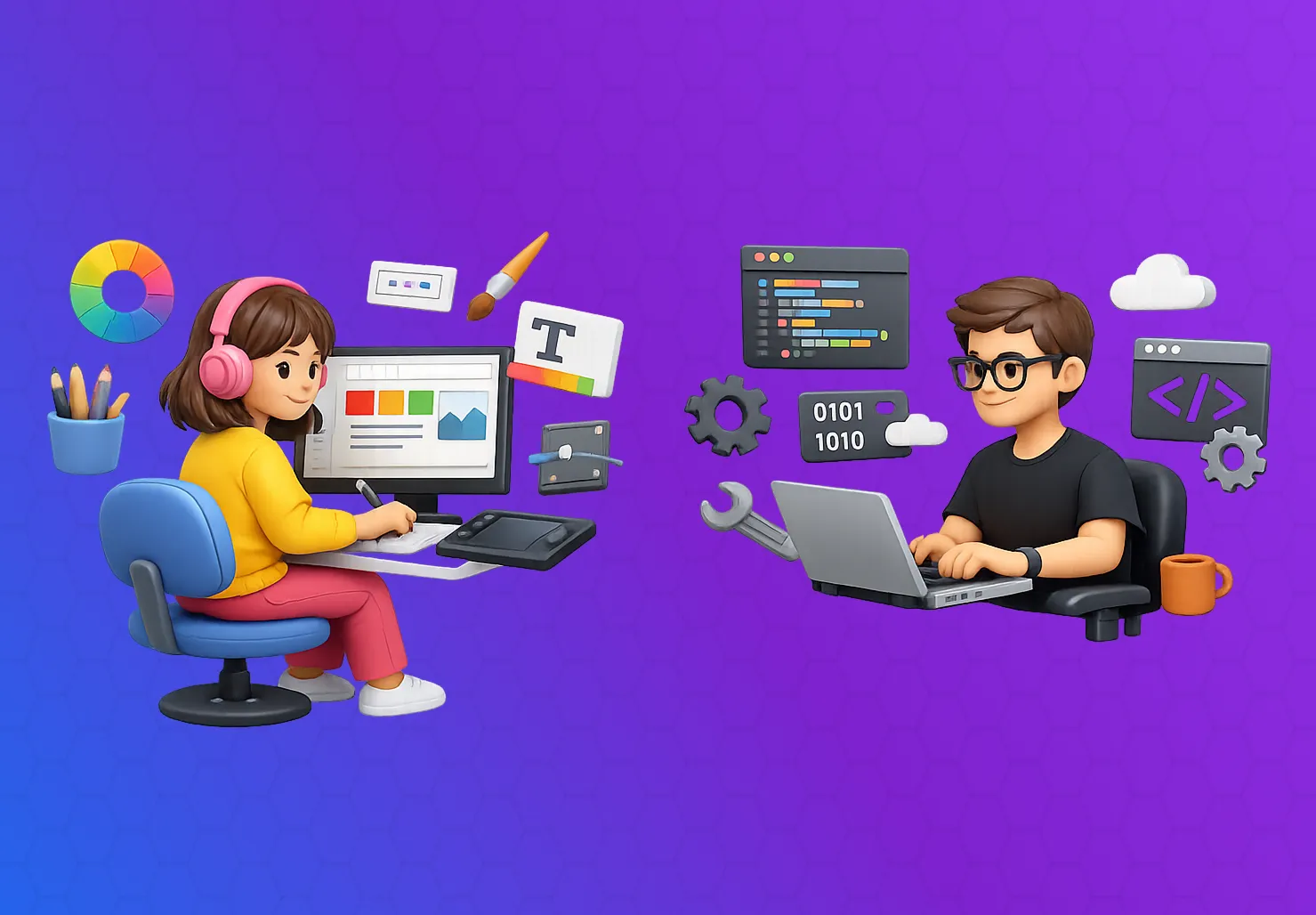
Website designers are qualified professionals responsible for creating aesthetically pleasing web designs. With the help of technical skills, expertise, and artisans’ concepts, they build up highly intricate, responsive, and user-interface website designs that are compelling for users. However, web developers are responsible for extensive coding knowledge and offer the services of front-end and back-end development. Several aspects differentiate web designers and web developers in their roles. We will further discuss this in detail in this blog. Website Designers: What Do They Do? The role of a website designer is not only to craft web pages impressively but also to ensure the aesthetic presentation of the main pages. For instance, the visuals of the website must be attractive to viewers, so the website designer incorporates layouts and striking color schemes that fit the business’s niche and theme. Moreover, they also add typography and graphics to enhance the website’s appeal. UX Interface Designers ensure that the presentation of the page is elevated while minimizing the difficulty level for users. They make sure that the website design is easy to navigate for both desktop and mobile users, thereby creating user-friendly website interfaces. User Interface (UI) Designers ensure that responsive buttons like “Contact Us,” forums, menus, and the shop button function accurately. They are responsible for building the company’s online business presence, which requires proper functionality by mitigating risk factors. Responsive Design Website designers ensure that they build the most responsive designs that are easy to navigate on mobile views, desktops, and tablets. Prototyping and Wireframing Web designers are highly responsible for the wireframing and prototyping of the website, which enables the structure, view, and functionality of the site. Level of Expertise Web designers are skilled professionals in the following domains: They can work as freelancers, in agencies, or as in-house full-time website designers. Types of Web Designers Web designers can specialize in various fields, including: How to Become a Website Designer Universities offer degree programs in website design, graphic design, and computer science. Additionally, Adobe Certified Experts, after completing internships in recognized sectors, are eligible to apply for full-time website designer positions. Role of a Web Developer A web developer is a qualified professional responsible for ensuring that a website’s internal issues are monitored, evaluated, and resolved. Front-End Development Front-end developers ensure proper coding, HTML, CSS, and Javascript as per company demands. Back-End Development Back-end developers handle database management, server configuration, and application logic. They also possess skills in PHP, Python, Ruby, and Node.js. Full Stack Development Full stack developers handle both front-end and back-end development, mitigating risks associated with both. Further, their role includes testing, debugging, maintenance, and evaluation of the overall health of internal website issues. Types of Web Developers Web developers can be categorized into: Main Differences Between Web Designers and Web Developers Collaboration Between Designers and Developers Despite their differences, the services of designers and developers come together to ensure that a website’s external and internal functionality is robust. They ensure that the website is both appealing and functionally sound. Need Any Help? Reach out to Meta Future in Dubai, a highly recognized platform for boosting online presence. They ensure to give the business identity, brand value, and brand authenticity with a team of expert designers and developers. We welcome you to explore our services and become the next emerging brand with us.