

Here’s something most Shopify store owners discover too late: your theme isn’t just about looking good in screenshots.
The top Shopify themes that dominate 2026 are the ones that understand conversion psychology, load in under two seconds, and make buying feel effortless on a phone screen, because that’s where 75% of your traffic is actually shopping.
We’ve watched beautiful stores generate disappointing sales because their themes prioritized aesthetics over function.
We’ve also seen visually simple stores absolutely crush revenue because their themes understood how real customers actually browse, evaluate, and purchase. The difference? Strategic theme selection based on what drives behavior, not just what looks impressive on Behance.
The Shopify theme marketplace has matured significantly. Gone are the days when every store looked like a carbon copy because everyone used the same five themes.
Today’s best Shopify themes reflect the diversity of ecommerce, minimalist designs for premium brands, bold layouts for fashion-forward stores, clean functionality for wellness products, and sophisticated structures for complex catalogs.

But this variety creates a new problem: analysis paralysis when you’re staring at hundreds of options wondering which one will actually help your store succeed.
So let’s cut through the noise. This isn’t an exhaustive catalog of every theme available, it’s our take on which themes consistently deliver results across different store types, product categories, and business models, based on implementing and optimizing stores that actually sell.
What is Shopify Theme?
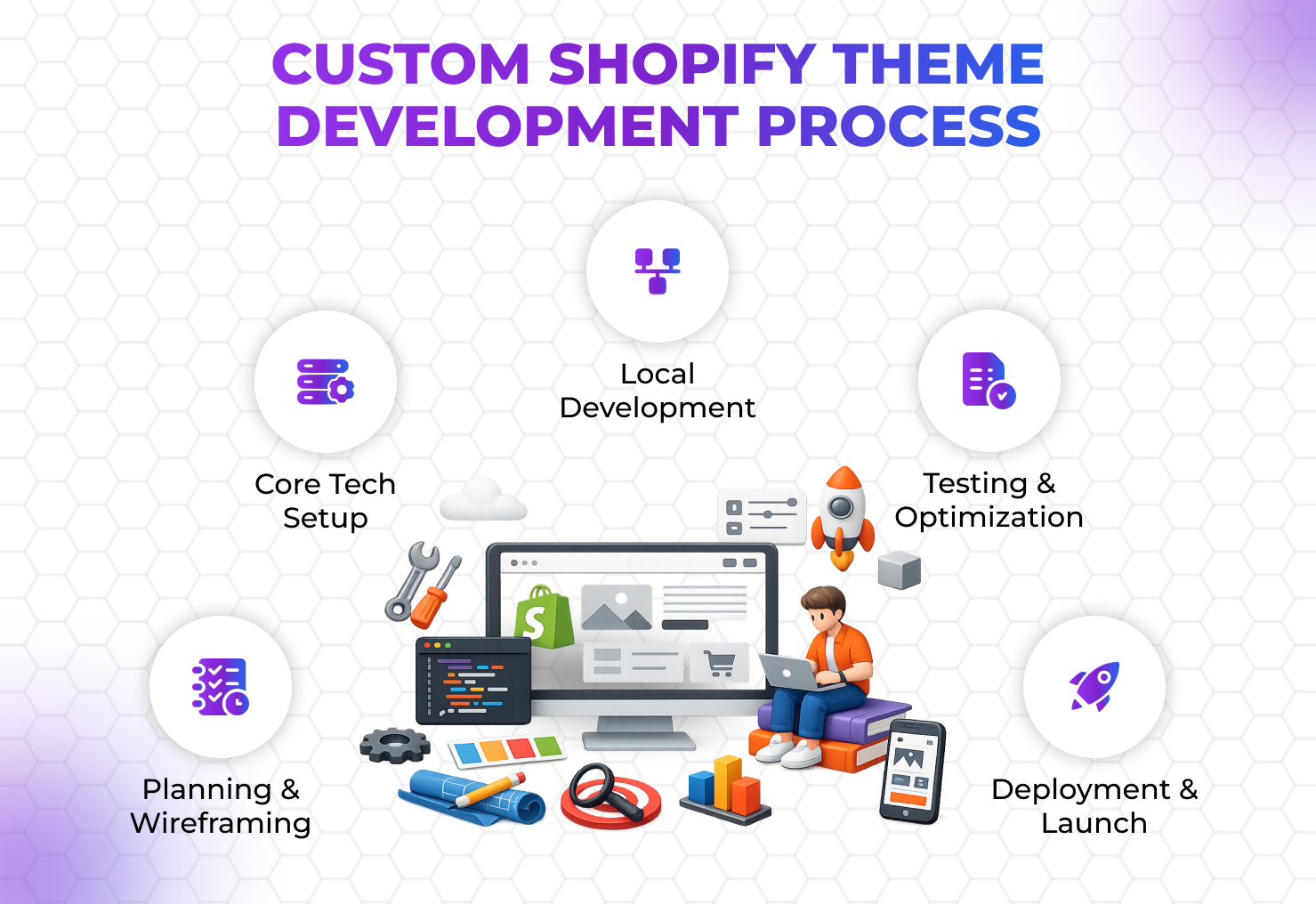
A Shopify theme is the structural and visual foundation of your online store. It controls layout, typography, color schemes, navigation style, product grids, checkout experience, and overall user flow.
Think of it as the architecture of your digital storefront. Without it, Shopify is just a powerful engine without a body.
But here’s the part most people misunderstand: a theme isn’t just about design. It influences performance, loading speed, SEO structure, accessibility, and conversion behavior. The difference between mediocre and high-converting Shopify themes often comes down to micro-details:
- How quickly does it load on mobile?
- How intuitive is the filtering system?
- Are call-to-action buttons strategically positioned?
- Does the product page build trust?
When we redesign stores for clients in nutrition and wellness, we often see themes chosen purely for aesthetics. Beautiful banners. Elegant fonts. Zero conversion logic.
After restructuring layouts, improving content hierarchy, and optimizing product templates, revenue jumps, even without increasing traffic.
There are free Shopify themes available, and some are surprisingly solid. But premium Shopify themes typically offer better customization controls, advanced sections, and built-in conversion features like upsell blocks, sticky carts, and predictive search.
A professional Shopify template should do three things:
- Load fast
- Adapt beautifully on all devices
- Support marketing strategy
Design and development must work together. That’s where experience matters.
Top 20 Shopify Themes in 2026
1. Dawn
Dawn has earned its position as Shopify’s default theme through genuinely impressive performance and flexibility.
This isn’t the mediocre free theme of years past, it’s a sophisticated, lightning-fast foundation that many premium themes struggle to match technically.
Built on Shopify’s Online Store 2.0 architecture, Dawn loads incredibly fast, provides extensive customization through sections, and offers clean, modern aesthetics that work across product categories.
We’ve seen nutrition brands and wellness stores particularly succeed with Dawn because its minimalist approach lets products and content shine without visual competition.
The theme’s simplicity is its strength for stores that prioritize content marketing, educational product descriptions, and building trust through information rather than flashy design elements.
2. Impulse
Impulse excels at creating aspirational brand experiences that make products feel premium without overwhelming visitors. The theme balances visual sophistication with conversion-focused functionality through features like quick-add buttons, predictive search, and streamlined navigation that keep shopping effortless.
Fashion and lifestyle brands consistently perform well with Impulse because it creates the editorial feel of luxury magazines while maintaining the functional clarity needed for e-commerce.
One sustainable fashion client we worked with saw conversion rates jump significantly after migrating to Impulse simply because the theme’s presentation elevated perceived value enough to justify their premium pricing positioning.
3. Prestige
Prestige targets stores with extensive catalogs that need sophisticated organization and filtering. The theme handles hundreds or thousands of products gracefully through advanced collection filtering, mega-menu navigation, and product quick-view functionality that lets customers evaluate options without constant page loads.
Technical equipment stores, beauty brands with large SKU counts, and any business where customers need to compare specifications across multiple products find Prestige’s organizational features essential.
The learning curve is steeper than simpler themes, but the power it provides for complex catalogs justifies the investment for stores where organization impacts conversion significantly.
4. Refresh
Refresh brings bold, contemporary design aesthetics that make stores feel cutting-edge and fashion-forward. The theme’s animated elements, dynamic layouts, and striking visual treatments work beautifully for brands targeting younger demographics or positioning themselves as trend-leaders.
Apparel stores, lifestyle brands, and businesses where visual impact drives purchase decisions leverage Refresh’s design language effectively.
The theme performs particularly well for stores with strong photography and branded content because it provides the canvas to showcase visual assets prominently.
5. Symmetry
Symmetry demonstrates that homepage layout flexibility can drive conversion when different visitors need different entry points.
The theme allows extensive homepage customization through drag-and-drop sections, letting you create experiences that match how your specific audience shops.
Stores selling diverse product categories benefit from Symmetry’s ability to create multiple focused sections highlighting different collections, features, or seasonal offerings without feeling cluttered or confusing.
6. Warehouse
Warehouse strips away decorative excess to focus purely on products and purchasing efficiency. This no-nonsense approach works exceptionally well for stores where customers know exactly what they want and prioritize finding it quickly over browsing inspiration.
Industrial supply stores, replacement parts businesses, and functional product categories where aesthetic browsing isn’t relevant perform efficiently with Warehouse’s utilitarian design that prioritizes search, filtering, and straightforward purchasing.
7. Motion
Motion understands that video content drives engagement and conversion for many modern brands. The theme’s video-first approach provides prominent video integration throughout, hero sections, product pages, and collection showcases, letting you tell visual stories that static images can’t match.
Brands selling experiences, demonstrating product usage, or targeting audiences that respond to video content find Motion’s multimedia capabilities essential for their marketing strategies.
8. Craft
Craft brings an artisanal, handmade aesthetic that resonates with customers seeking authentic, maker-focused products.
The theme’s warm, textured design language creates the feeling of discovering unique items from independent creators rather than buying from impersonal corporations.
Handmade goods, artisan products, small-batch consumables, and brands emphasizing craftsmanship and story over mass production leverage Craft’s visual language to communicate values and differentiate from mass-market competitors.
9. Taste
Taste targets food, beverage, and consumable product categories with design elements that make products look absolutely delicious and desirable.
The theme’s layouts emphasize large, appetizing product photography, ingredient highlights, and storytelling elements that engage food-focused audiences.
Specialty food brands, beverage companies, and gourmet product stores benefit from Taste’s focus on the sensory appeal and cultural context that drives purchasing in food categories.
10. Stiletto
Stiletto delivers luxury positioning through refined typography, sophisticated color treatments, and premium visual hierarchy that suggests exclusivity and quality.
High-end fashion, jewelry, luxury accessories, and any brand where premium pricing requires premium presentation find Stiletto’s design language aligns with customer expectations for the category. The theme walks the delicate line between being visually impressive and remaining functionally clear for purchasing.
11. Empire
Empire handles multi-brand and marketplace-style stores where multiple vendors or extensive product diversity requires clear organizational structure.
The theme’s robust navigation, filtering capabilities, and collection management work well for department store models, multi-brand boutiques, or any situation where customers need to navigate complex product hierarchies efficiently.
We’ve implemented Empire for stores transitioning from single-brand to multi-brand models because it scales elegantly as catalog complexity increases.
12. Pacific
Pacific creates beach-casual, lifestyle-oriented atmospheres perfect for surf, outdoor, and adventure brands. The theme’s relaxed design aesthetic and emphasis on lifestyle photography help brands sell not just products but the lifestyle and values they represent.
Outdoor gear, sustainable living products, and brands targeting active, adventure-seeking demographics leverage Pacific’s visual language to connect with their audience’s aspirations and values.
13. Turbo
Turbo lives up to its name by prioritizing speed without sacrificing visual appeal. The theme’s technical optimization delivers some of the fastest load times available while maintaining modern design aesthetics.
For stores operating in competitive markets where page speed directly impacts conversion and SEO, Turbo’s performance focus provides measurable advantages. Mobile performance especially shines, making it ideal for stores with heavily mobile audiences.
14. Broadcast
Broadcast emphasizes editorial content integration, making it perfect for stores where content marketing, education, and storytelling drive traffic and conversion.
The theme treats blog content as equal to product content, creating seamless experiences where educational articles naturally lead to relevant products.

Health and wellness brands, technical products requiring education, and any store where informed customers convert better than uninformed ones benefit from Broadcast’s content-forward approach.
15. Pipeline
Pipeline balances minimal aesthetics with robust functionality, creating clean, modern stores that don’t sacrifice features for simplicity.
The theme works across diverse product categories because its neutral design language adapts easily through customization to reflect specific brand personalities.
Stores wanting contemporary design without committing to highly specific aesthetic directions find Pipeline’s flexibility valuable.
16. Showcase
Showcase does exactly what its name suggests, putting products front and center with layouts that emphasize visual discovery and browsing.
The theme’s grid-focused layouts, prominent imagery, and streamlined product displays work beautifully for visually-driven categories where customers browse for inspiration rather than searching for specific items.
Home décor, art, photography, and gift stores leverage Showcase’s browsing-optimized layouts effectively.
17. Editions
Editions brings publishing-inspired layouts that work exceptionally well for stores selling books, magazines, media, or content-related products.
The theme’s typography-focused design, editorial layouts, and content-friendly structure create appropriate atmospheres for intellectual and cultural products where design should enhance rather than compete with the products themselves.
18. Ride
Ride targets action sports, extreme sports, and high-energy brands with bold, dynamic design that matches the intensity of the products and lifestyle.
The theme’s animated elements, energetic layouts, and bold color treatments work for brands where excitement and adrenaline are part of the product appeal. Skateboarding, BMX, action sports, and youth-oriented brands leverage Ride’s visual energy effectively.
19. Testament
Testament creates sophisticated, gallery-like experiences perfect for art, photography, high-design products, and anything where visual presentation is paramount. The theme’s minimalist approach lets imagery breathe while maintaining strong visual hierarchy and clear purchasing paths.

Fine art, photography prints, designer goods, and premium visual products benefit from Testament’s museum-quality presentation approach.
20. Streamline
Streamline focuses on conversion efficiency through simplified checkout flows, reduced friction points, and clear calls-to-action that guide visitors toward purchase.
The theme’s no-nonsense approach works well for repeat-purchase products, subscription services, and situations where customers convert based on product value rather than extensive browsing or comparison.
Functional products, staples, replenishment items, and straightforward purchasing scenarios benefit from Streamline’s efficiency-focused design.
Conclusion
Choosing from the top Shopify themes ultimately comes down to matching theme capabilities with your specific store needs, product types, and customer behavior patterns.
The themes we’ve covered represent proven options that consistently deliver results across different categories and business models, but the best theme for your store is the one that aligns with how your customers actually shop and what drives their purchasing decisions.
A theme alone won’t guarantee conversions. The structure needs strategic UX, optimized content, Shopify SEO configuration, and performance refinement. That’s where experience matters. We’ve seen average themes outperform premium Shopify themes simply because they were optimized correctly.
E-commerce is less about “design trends” and more about clarity, speed, and trust. The theme should amplify your brand, not distract from it.
If you’re building or redesigning your store and want it done properly, from UX design to Shopify development to SEO and performance marketing, we can help.
At The Meta Future, we blend design, development, and digital marketing so your store doesn’t just exist… it grows. Let’s build something that converts.