



The restaurant industry is evolving faster than ever. Competition is fierce, customer expectations are rising, and traditional advertising no longer delivers the same results. This is where content marketing for restaurants becomes a true game-changer.
Today, successful restaurants don’t just sell food, they sell experiences, emotions, culture, storytelling, and community. At The Meta Future, we’ve worked with dozens of F&B brands worldwide and witnessed firsthand how strategic content transforms small eateries into trending hotspots.
In this detailed guide, you’ll learn what restaurant content marketing is, why it matters, proven benefits, top strategies, and how to implement it effectively for your own restaurant.
What Is Content Marketing for Restaurants?
Content marketing for restaurants involves creating and sharing valuable content photos, videos, blogs, stories, behind-the-scenes moments, chef interviews, and more, to attract new customers and retain existing ones. It moves beyond occasional menu updates and random posts.
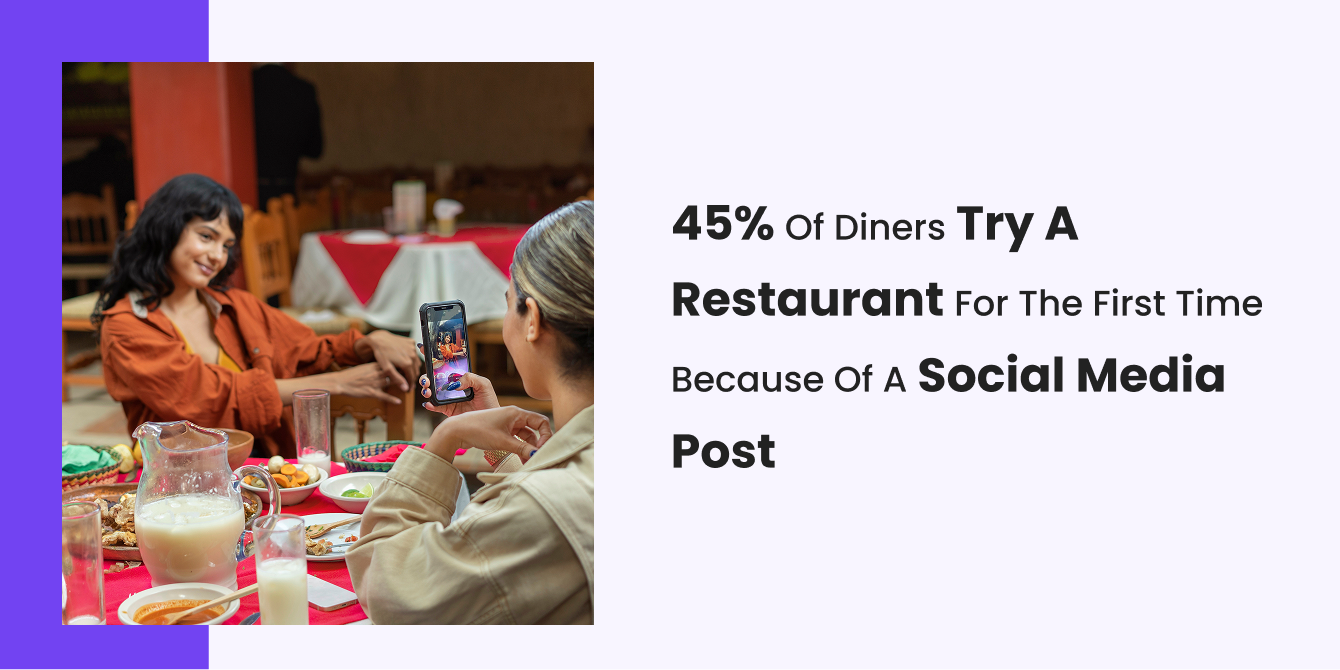
It’s about:
- Crafting your restaurant’s story
- Showcasing your chefs, culture, and values
- Creating emotional connections
- Producing content that sparks engagement, loyalty, and footfall
When done right, content marketing becomes a revenue-generating engine, boosting online visibility, building credibility, and increasing reservations.
7 Key Benefits of Content Marketing for Restaurants
1. Boosts Restaurant Visibility & Brand Awareness
Consistent, high-quality content strengthens your presence across Google, social media, and local platforms. When customers repeatedly encounter your visuals, stories, or reels, your brand becomes familiar and top-of-mind.
Example:
We helped a vegan café chain in Bangalore grow by 400% on Instagram using visually rich reels optimized with local SEO hashtags. Footfall increased by 27% within 90 days.
Key Takeaways
- Post content across Instagram, Facebook, Google Business, and your website
- Use geo-focused hashtags such as “Vegan Brunch in [City]”
- Highlight your mission, values, and unique story
2. Builds Trust & Credibility
Modern diners want authentic, transparent brands. Sharing behind-the-scenes content, sourcing stories, or chef introductions builds emotional trust.
Example:
A boutique sushi restaurant doubled its reservations after releasing mini-documentaries showing their sustainable fish sourcing in Hokkaido.
Effective Trust-Building Strategies
- Feature chefs and team members
- Show ingredient sourcing stories
- Share customer testimonials and reviews
3. Increases Customer Engagement & Loyalty
Engaging content encourages customers to interact, return, and become brand loyalists.
Example:
A multi-outlet dining brand gained 4,000+ UGC entries through themed Instagram contests and “Ask the Chef” sessions.
Engagement Ideas
- UGC-based contests
- Daily polls and Q&As
- Email newsletters with teasers and exclusive updates
4. Drives Website Traffic & Online Orders
SEO-optimized blogs, structured data, and high-quality visuals help drive organic traffic to your website and improve conversions.
Example:
A pizzeria increased online orders by 32% in four months through weekly SEO blogs linked to ordering pages.
How to Implement
- Publish keyword-rich blog posts weekly
- Add structured data & schema markup
- Use CTAs such as “Order Now” or “Reserve a Table”
5. Generates New Leads & Sales
Restaurant content can convert casual browsers into loyal diners through gated content and email sign-ups.

Lead-Generating Content Ideas
- Seasonal recipe eBooks
- Virtual cooking class sign-ups
- Retargeting ads for blog readers
6. More Cost-Effective Than Traditional Marketing
Content marketing delivers measurable ROI at a fraction of the cost of print ads or billboards.
Advantages
- Low initial investment
- Long-term organic traffic & brand value
- Precise performance tracking
7. Highlights Unique Offerings & Sets You Apart
Content is your medium to showcase what makes your eatery unique, from sustainability efforts to specialty ingredients.
Ways to Stand Out
- Share your sustainability practices
- Collaborate with niche creators
- Create ASMR-style prep videos
- Launch “Meet the Farmer” stories
Top 10 Content Marketing Strategies for Restaurants
1. Share High-Quality Food Photography
Food is visual. Professional, authentic food photography increases cravings and engagement.
Tips
- Use natural lighting
- Highlight signature dishes
- Include ambiance shots
- Show behind-the-scenes chef moments
2. Create Cooking Lesson or Recipe Videos
Short, engaging videos on Instagram Reels, YouTube, and TikTok perform exceptionally well.
Best Practices
- Keep videos 30–90 seconds
- Add on-screen captions
- Share trending, useful recipes
- Repurpose videos across platforms
3. Start and Maintain a Food Blog
Blogs help restaurants dominate Google search results and build authority.
What to Post
- Seasonal dishes
- Sourcing stories
- Chef interviews
- Local keyword content
4. Collaborate with Local Food Bloggers & Influencers
Micro-influencers deliver high engagement and localized visibility.
Execution Tips
- Host tasting events
- Provide personalized PR kits
- Offer affiliate tracking links
5. Run Social Media Contests & Campaigns
Contests boost follower growth and viral engagement.
Prize Ideas
- Free meals
- Limited-time VIP dining
- Gift cards
6. Share Customer Experiences & UGC
User-generated content builds trust and attracts new customers.
Encouragement Methods
- Create a branded hashtag
- Feature customers on your feed
- Reward the best UGC entries
Email and SMS are powerful for retention marketing.
7. Implement Email & SMS Campaigns
- Birthday coupons
- Exclusive offers
- Behind-the-scenes stories
- Personalized recommendations
8. Optimize Google My Business & Local SEO
Local SEO increases visibility for searches like “restaurants near me”.
Optimization Tips
- Add high-res photos
- Update menu links
- Reply to reviews
- Use restaurant schema markup
9. Offer Exclusive Deals & Loyalty Programs
Exclusive offers create urgency and increase repeat visits.
Examples
- Secret menu items
- First 50 customers promo
- VIP member discounts
10. Develop Seasonal & Themed Content Series
Themes build anticipation and make content memorable.
Series Ideas
- “Flavor of the Week”
- Holiday specials
- “Meet the Chef Mondays”
- “Farm-to-Table Fridays”
Conclusion
Content marketing for restaurants is no longer optional, it’s essential. Your digital presence is now as crucial as the food you serve. With the right mix of storytelling, visuals, SEO, and engagement strategies, any restaurant can build a powerful brand, increase foot traffic, and create unforgettable customer experiences.
At The Meta Future, we’ve seen restaurants achieve extraordinary growth through consistent, creative, and strategic content marketing. Your story, your flavors, and your journey deserve to be shared, one reel, one photo, and one delicious experience at a time.